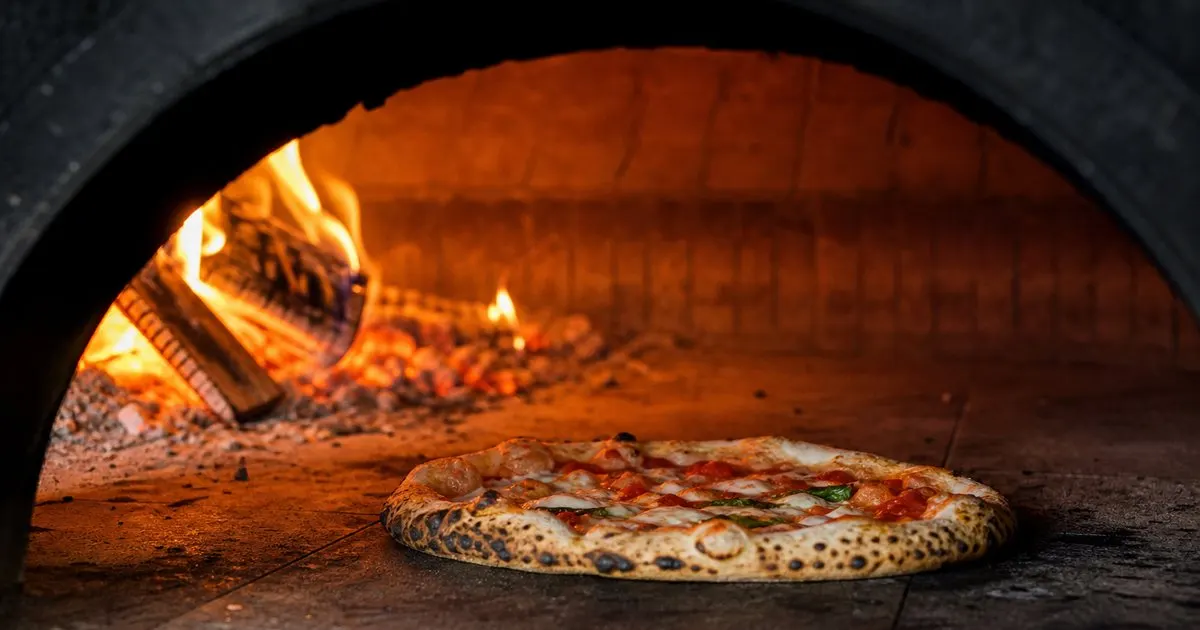
Wood-Fired and Built-In Pizza Ovens
How hot does a wood fired pizza oven need to get for Neapolitan?
True Neapolitan crust demands fierce, specific heat. Here is the temperature target and why it matters.
Practical, honest advice from the team behind Fornaluxe, written to help you do this well.
True Neapolitan crust demands fierce, specific heat. Here is the temperature target and why it matters.

Flavor and drama versus speed and control. Here is how to choose for the way you host.
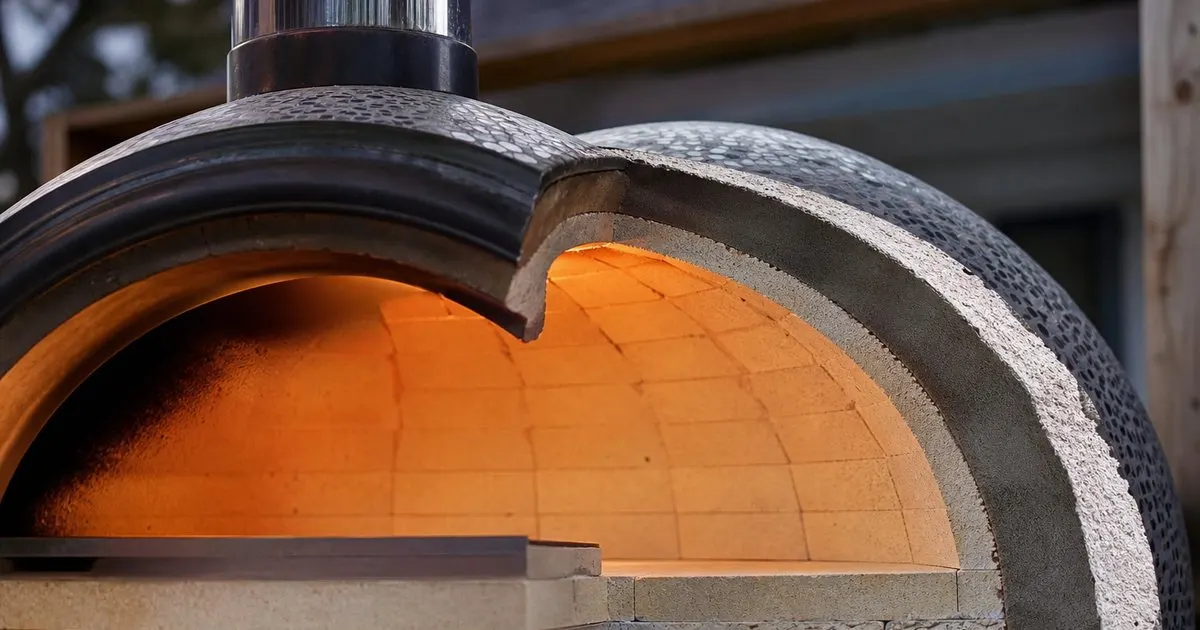
The materials behind the surface store and return the heat. Here is what makes an oven cook evenly.
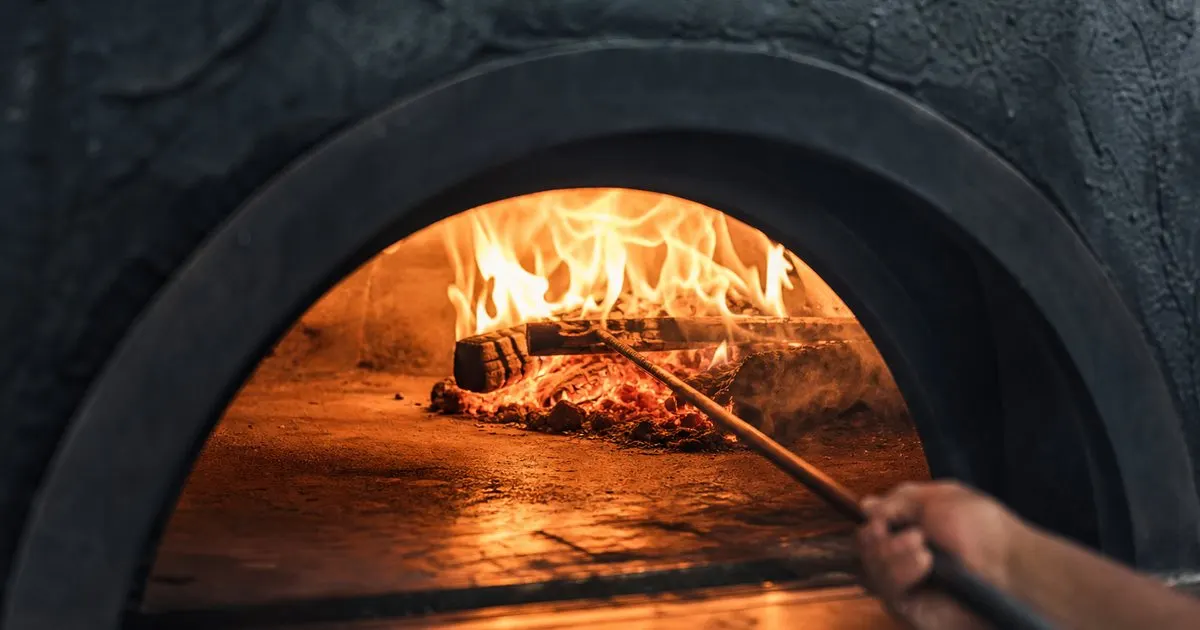
Heat up time comes down to mass and insulation, not size alone. Here is what to expect.
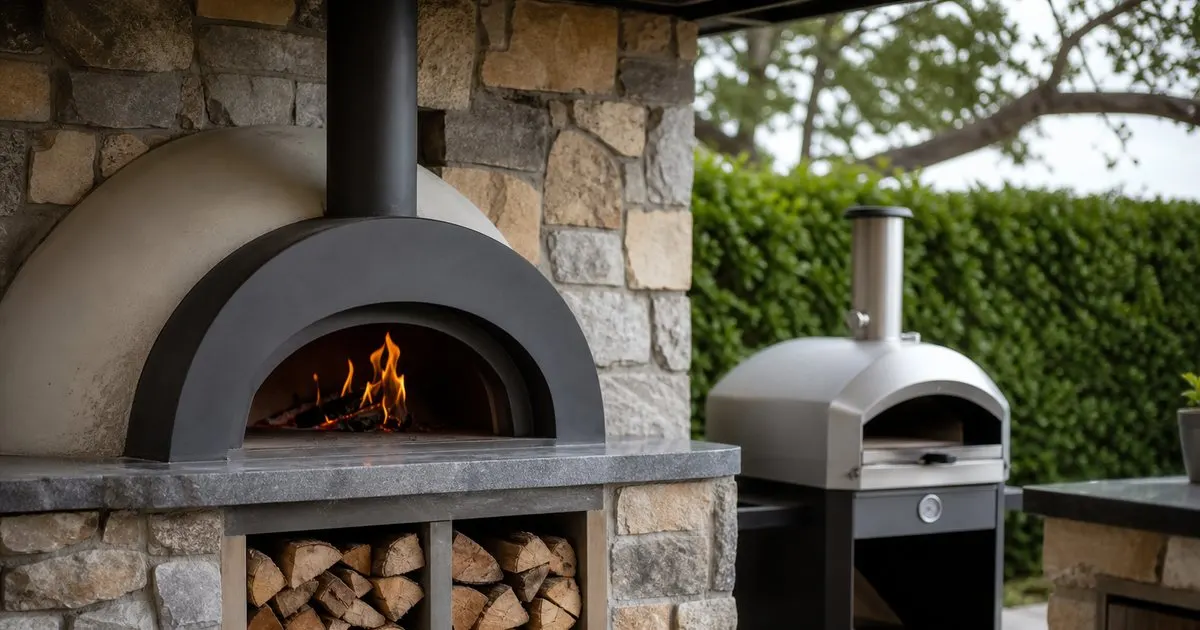
Each path suits a different kitchen and budget. Here is how to weigh flexibility against integration.
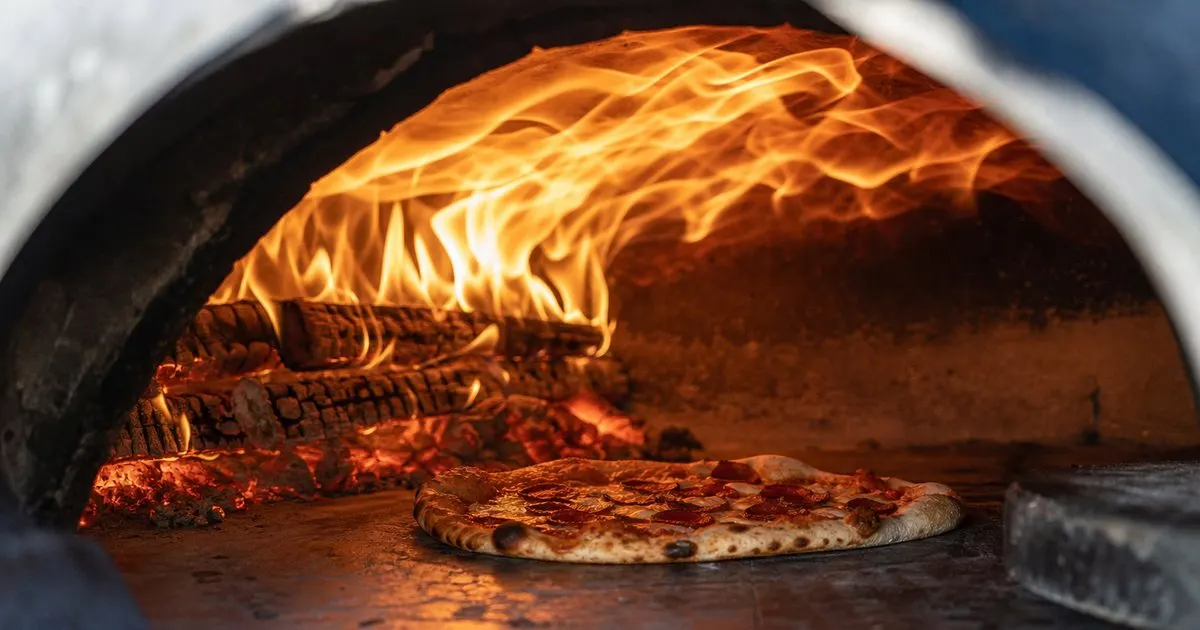
The dome does more than hold heat. Here is how its shape shapes the bake and the crust.
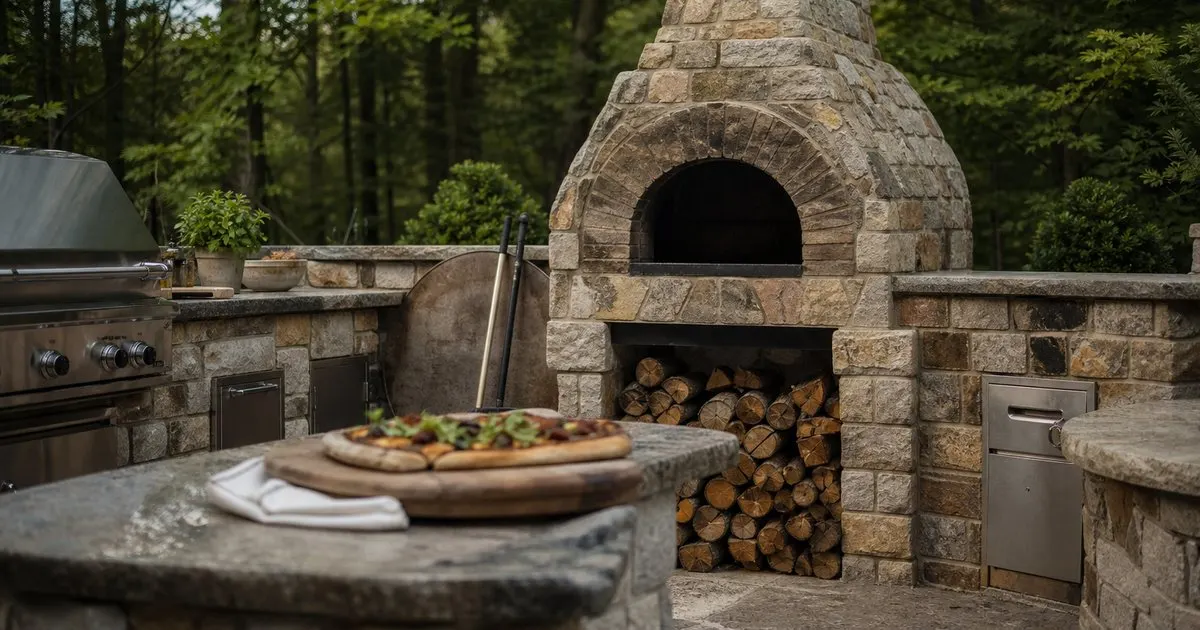
The oven is only part of the bill. Here is where the money goes in a proper built in install.
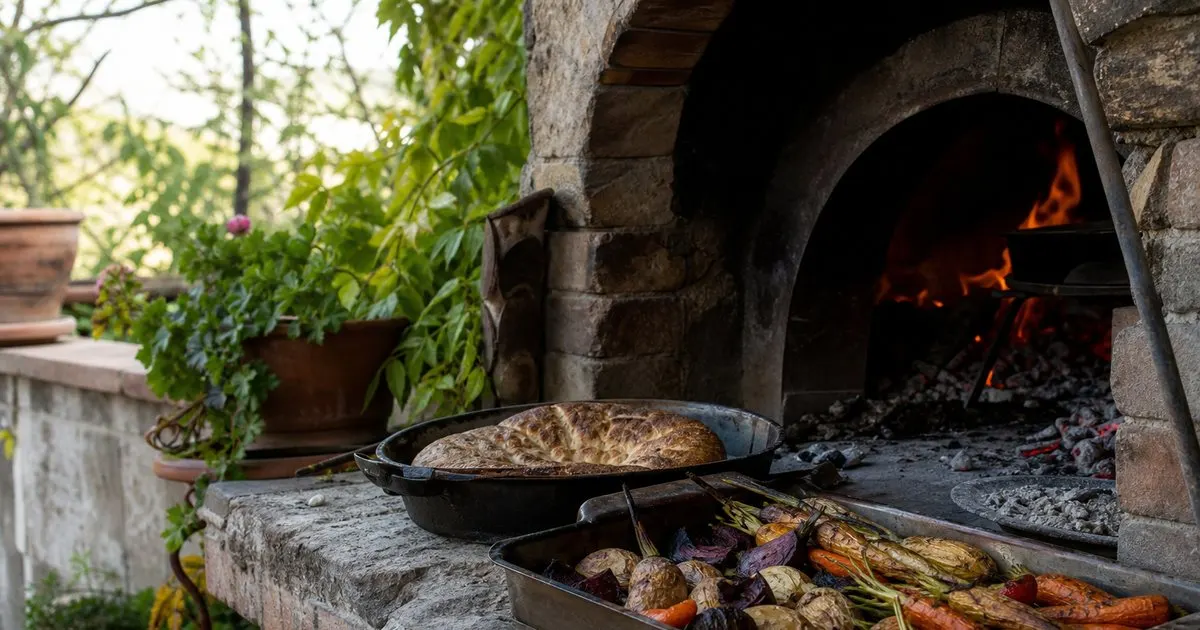
The falling heat after pizza opens up a whole kitchen. Here is what else a wood oven does beautifully.
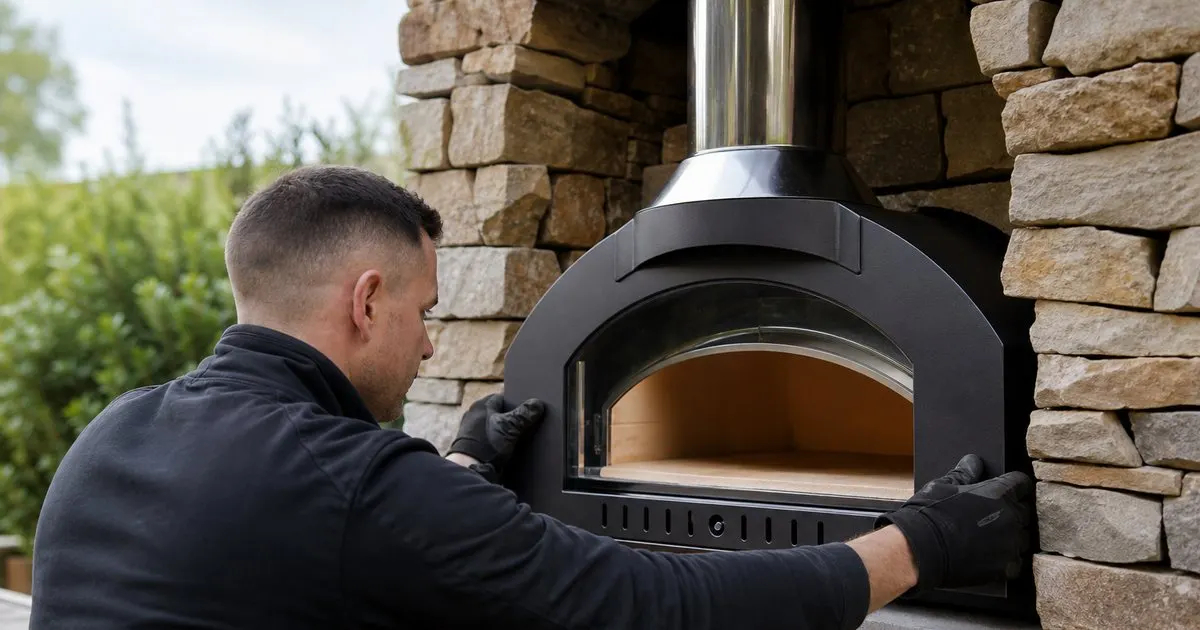
Some builds you can manage, others demand expertise. Here is when a professional is not optional.
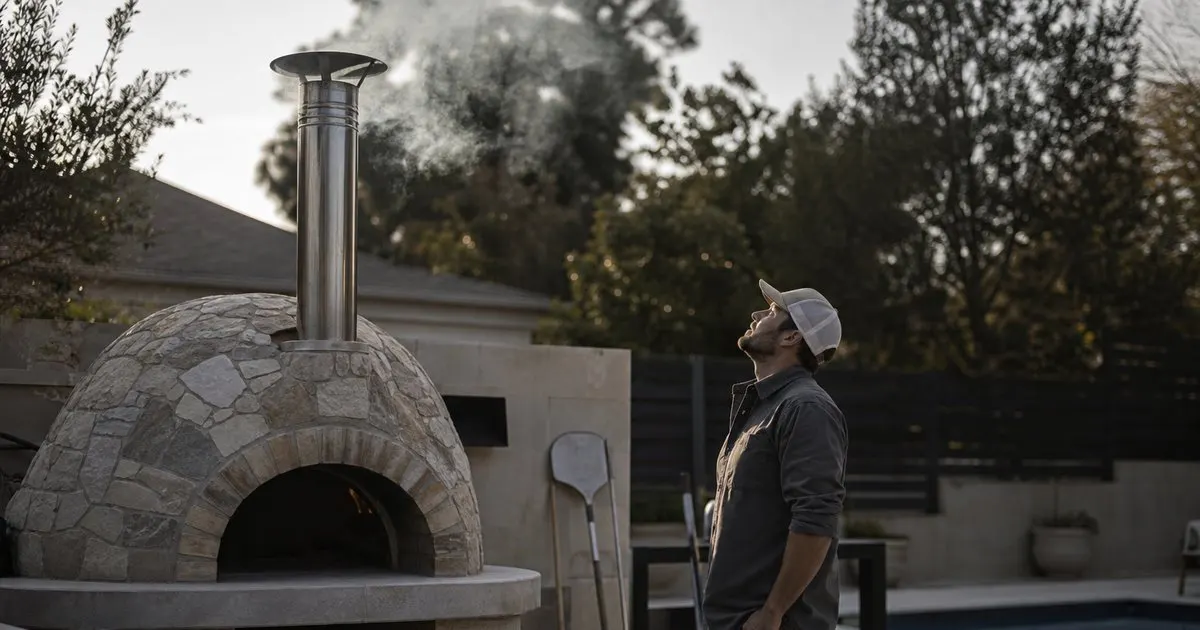
Flue diameter, stack height, and termination details decide whether a wood fired oven draws cleanly or pushes smoke across your patio. Here is how to get them right before the facade goes on.
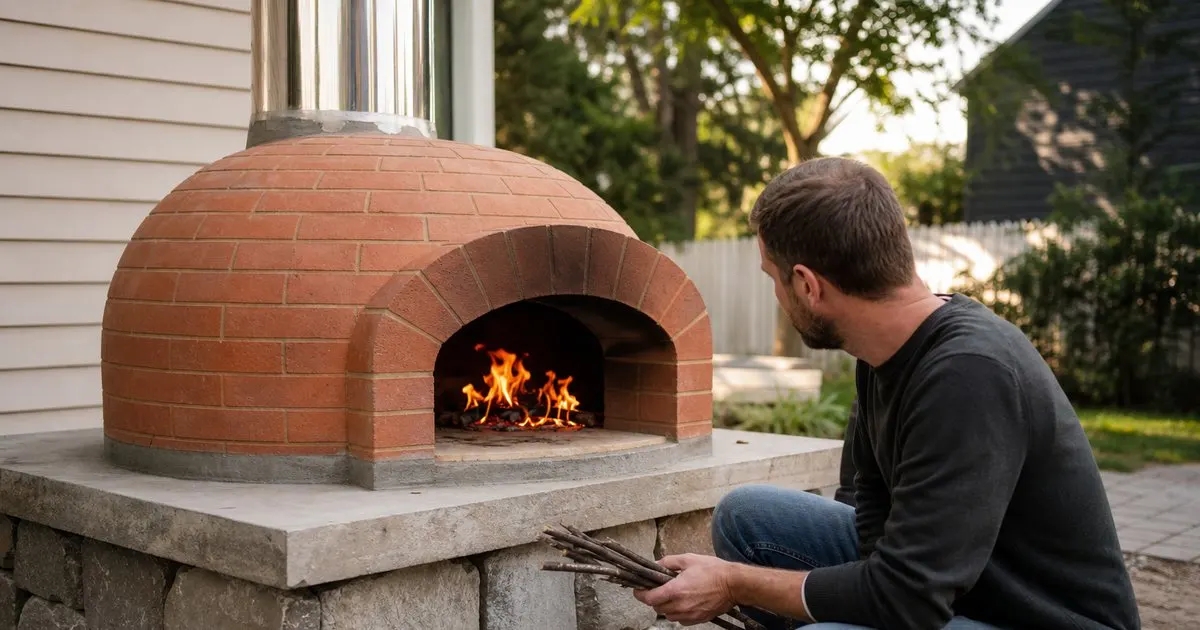
Refractory castables and mortar hold water long after they feel dry. A patient curing schedule drives that moisture out without cracking the dome you just paid for.
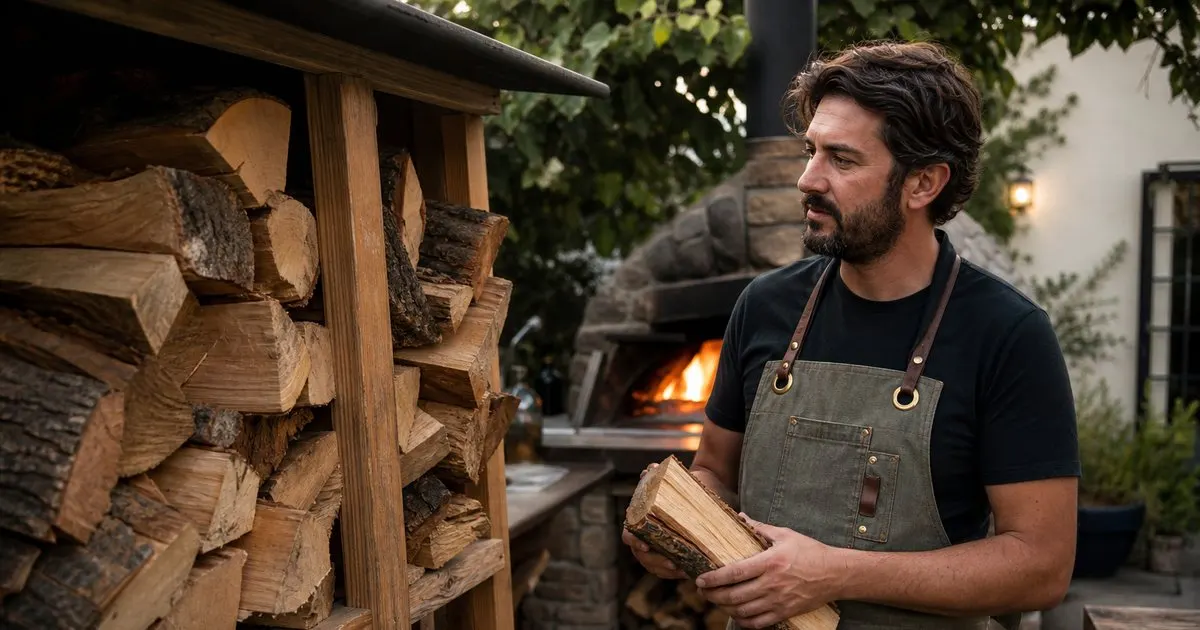
The wood you burn sets flavor, heat, and how much soot lands on your dome. Choosing and storing it well matters nearly as much as the oven itself.
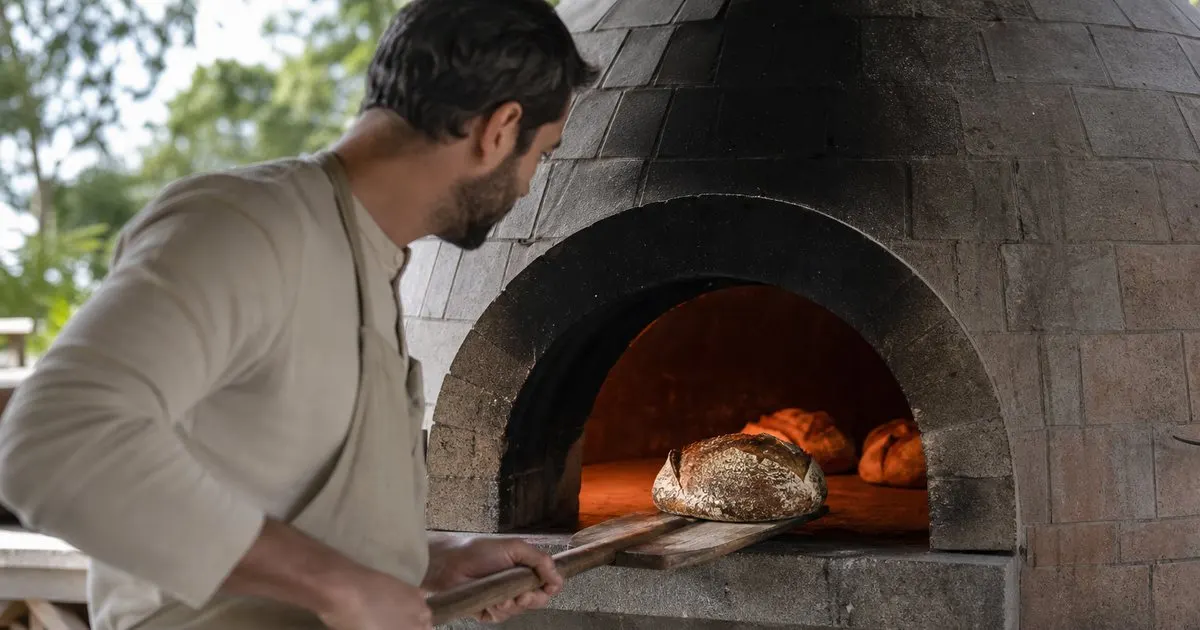
A masonry oven keeps giving long after the flames die. Learning to bake in that falling heat is where a built in oven truly earns its keep.
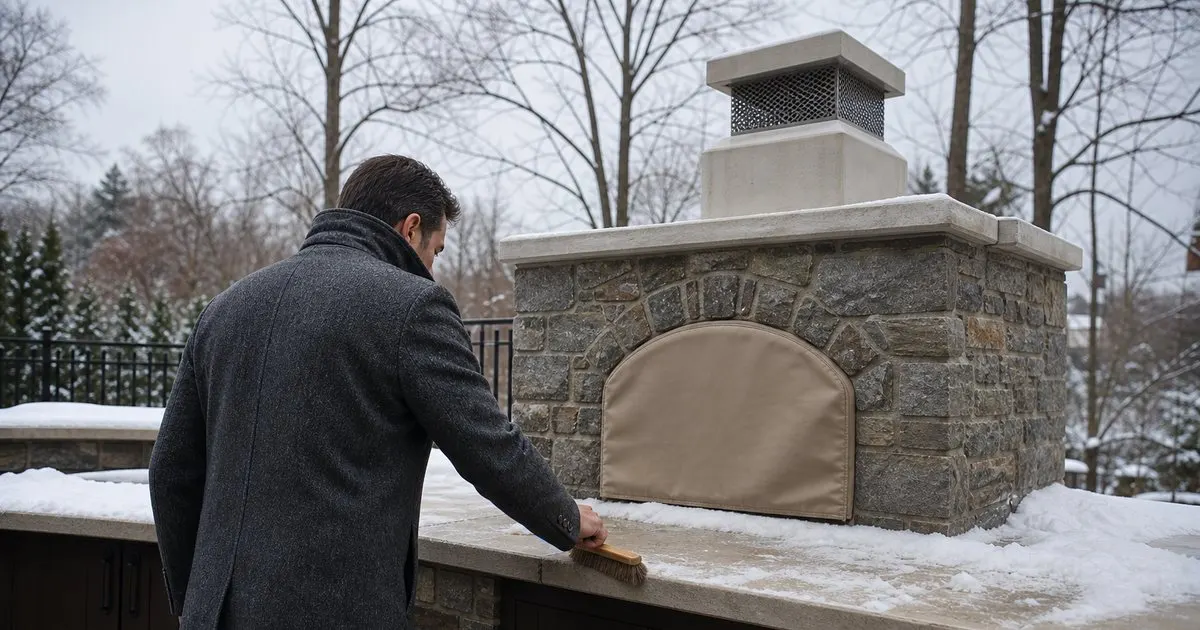
Water inside masonry plus a hard freeze is the fastest way to ruin an expensive oven. Here is how to keep a built in oven safe until spring, and how to keep cooking in the cold.
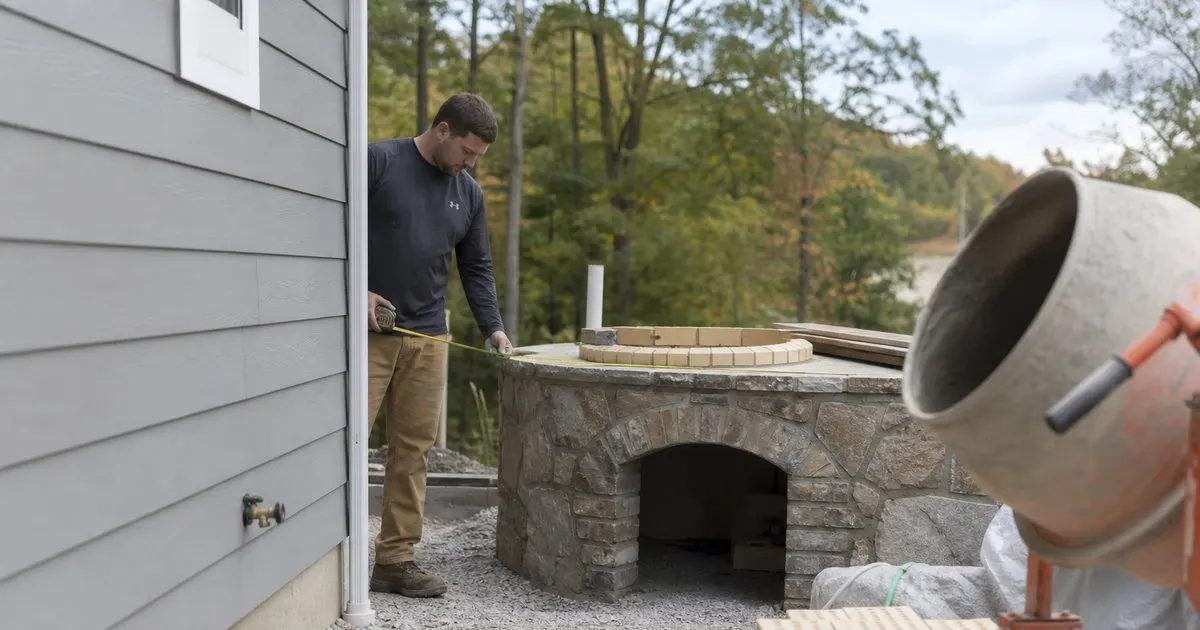
Clearances to combustibles, permits, and safety listings decide where an oven can legally and safely go. Settling this early saves expensive redesigns later.
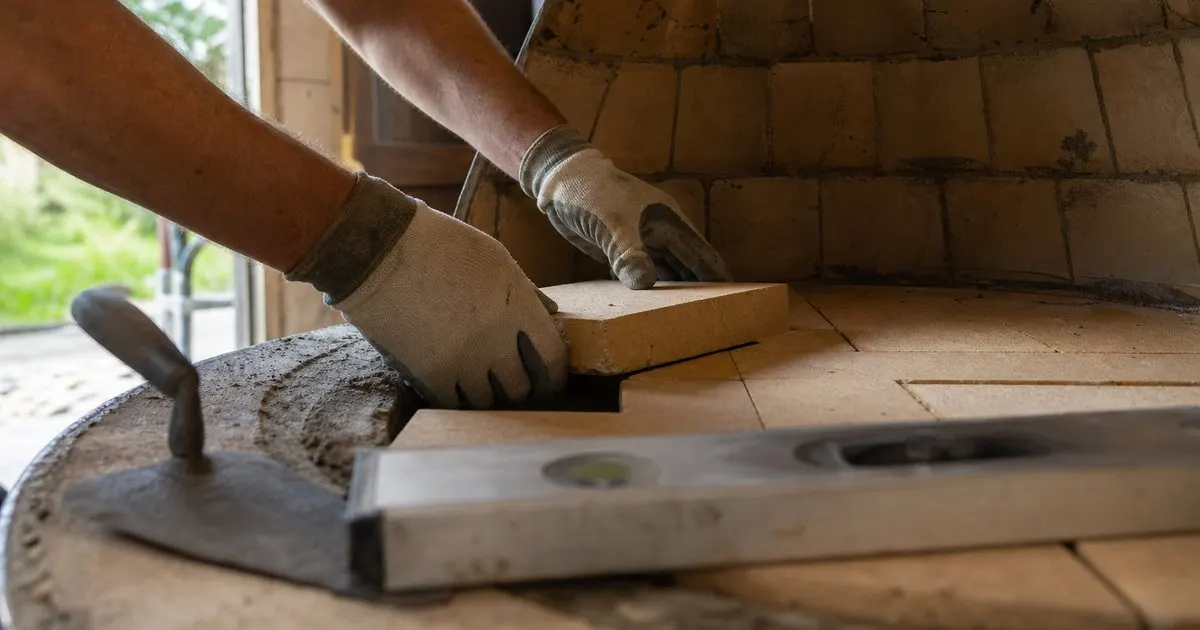
The hearth is where the crust is made. Its mass, material, and thickness decide how fast it recovers between pizzas and whether the base comes out leopard spotted or pale.
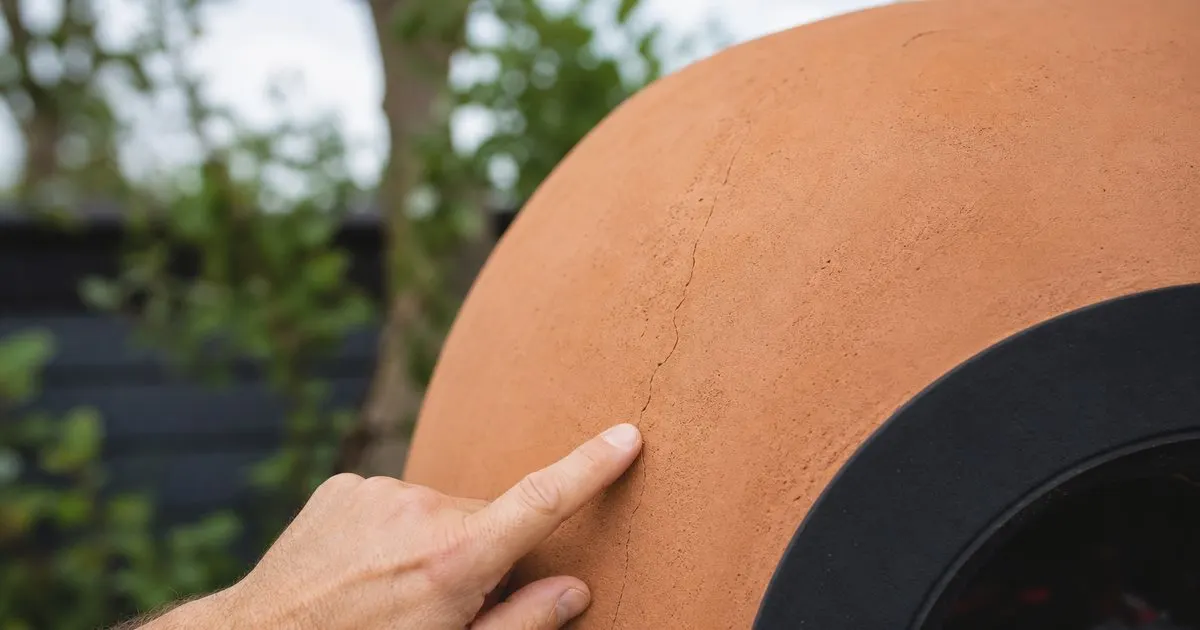
Almost every masonry oven cracks a little. Knowing which cracks are cosmetic and which signal a real problem protects both your oven and your peace of mind.
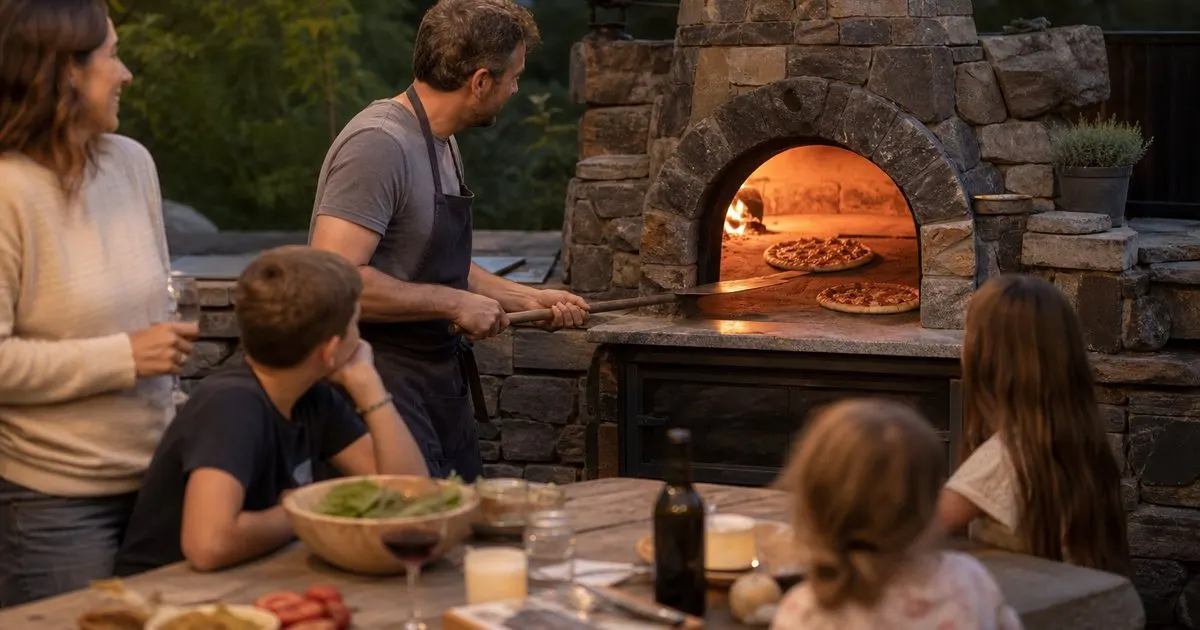
Oven diameter determines how many pizzas you can cook at once, how much wood you burn, and how long you wait. Here is how to size a built in oven for real life.
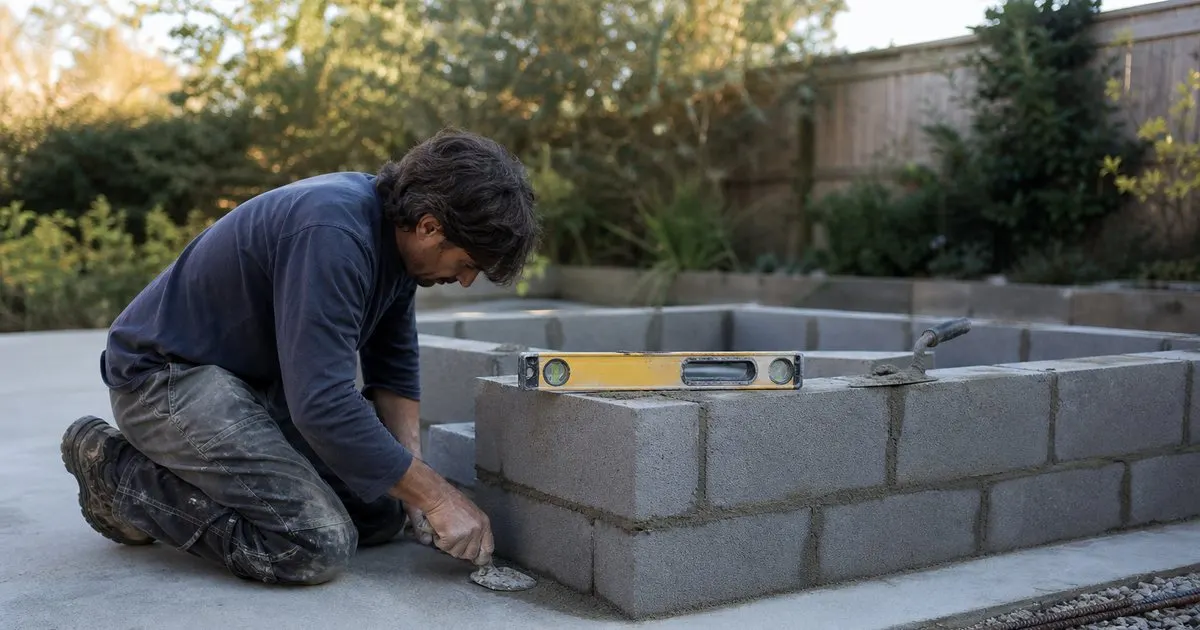
A finished masonry oven is far heavier than the dome the brochure photographs. Here is how to add up the real load and build a footing that will still be flat in twenty years.
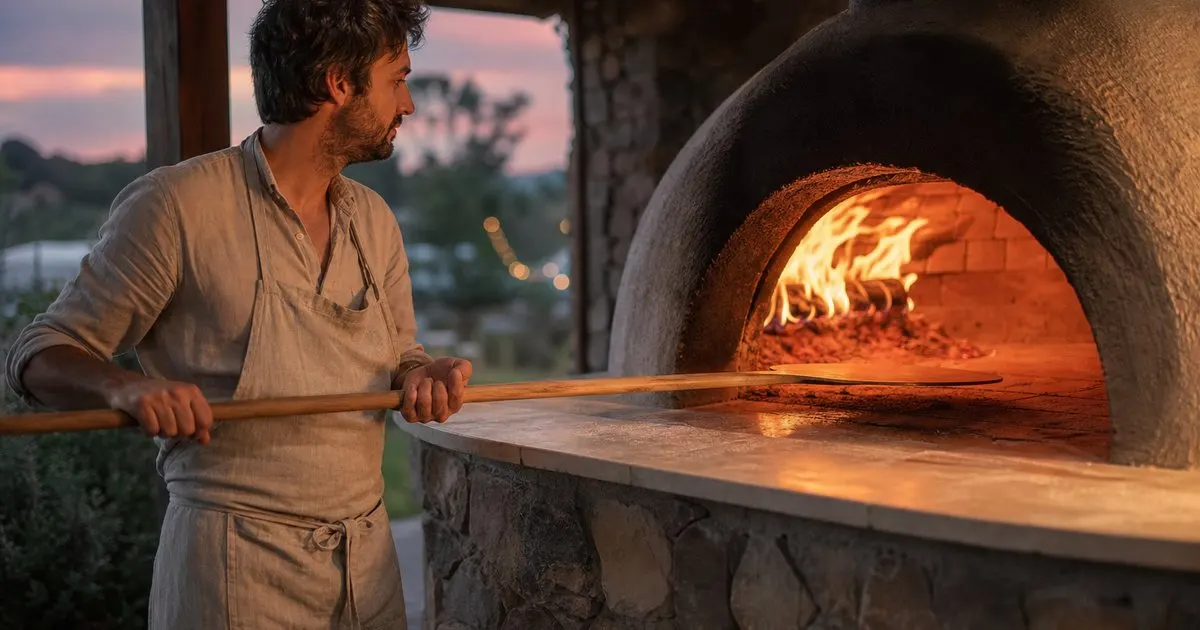
Getting one perfect pizza is easy. Getting fifteen in a row means saturating the mass, reading the floor separately from the dome, and feeding the fire on a rhythm.