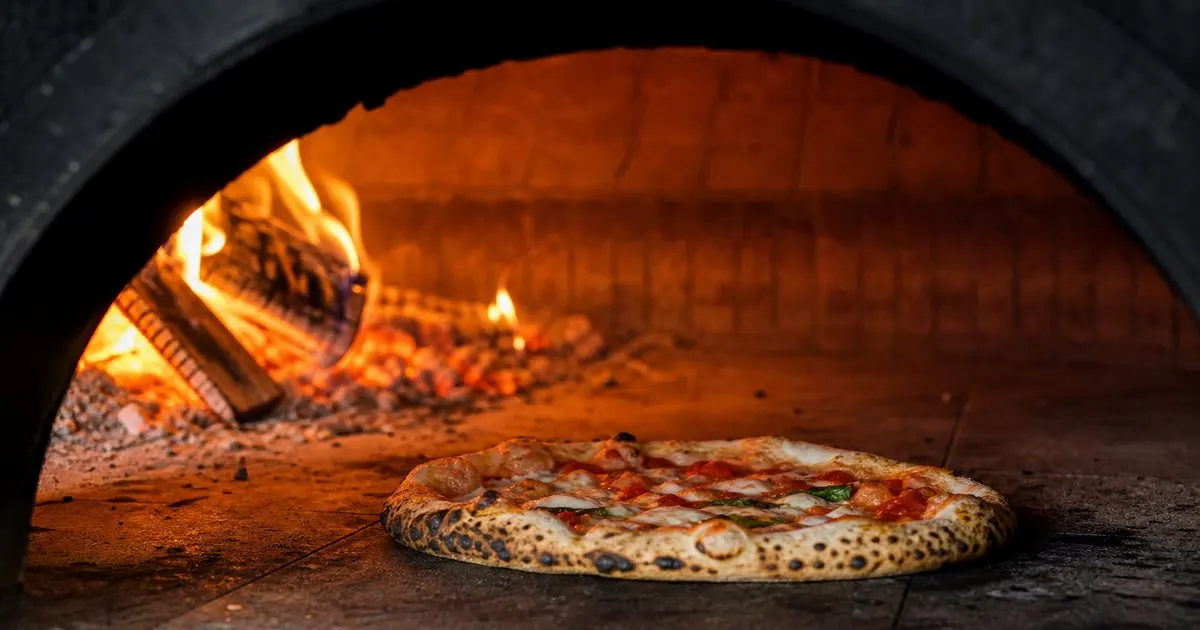
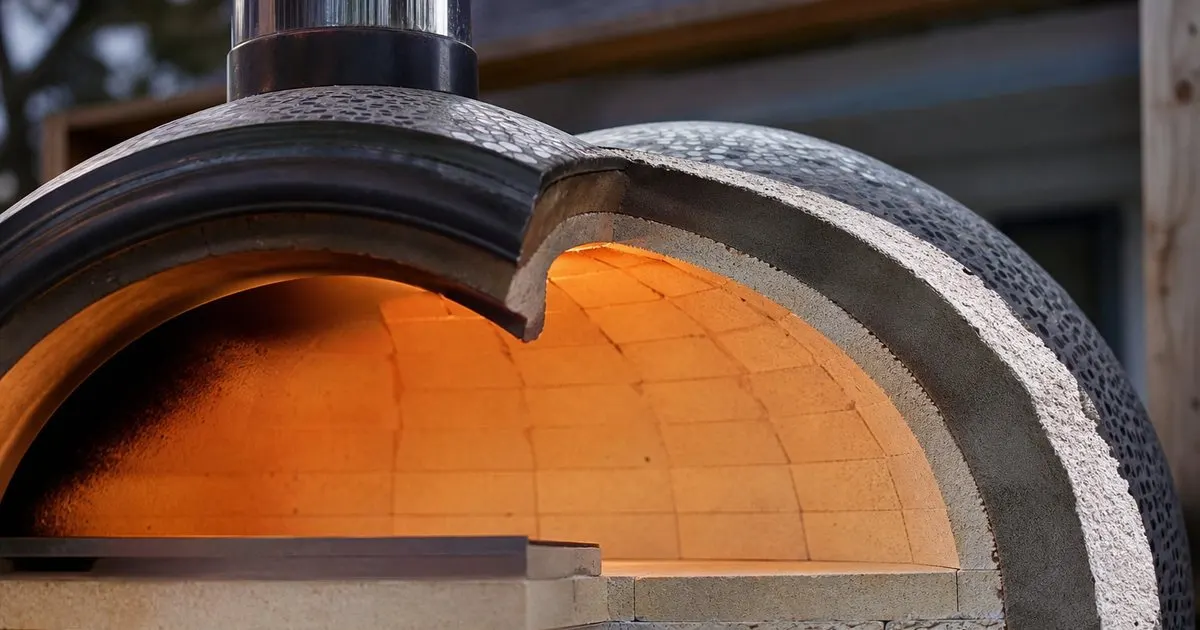
Refractory materials and mass
Dense refractory brick or cast material stores and radiates the heat that defines a great crust. Thermal mass is what lets the oven recover between pizzas rather than sagging in temperature.
A considered, independent guide to choosing a wood-fired or built-in pizza oven that earns its place. We weigh materials, heat, and installation so the fire becomes the reason people gather.
An independent guide. We may earn a commission from some links, at no extra cost to you.
Fall installation window. September is the last comfortable window to pour a footing and cure an oven before frost in much of the country. Compare the oven types side by side before you decide.
Compare oven typesThe balanced build, with strong thermal mass and a properly finished, integrated surround. High mass refractory dome, Thick insulation, fast recovery, Dual fuel or premium wood build.
Many buyers focus on the look of an oven and overlook the physics that make a great pizza possible. Thin walls and poor materials cannot hold or radiate the heat that a proper crust demands, no matter how long you wait.
A well built oven, made of the right refractory materials and sensibly installed, reaches temperature, holds it, and cooks evenly for a whole evening. The result is worth the planning, and the planning happens now, not at the first party.
The details that separate a considered purchase from an expensive mistake at this level.
Dense refractory brick or cast material stores and radiates the heat that defines a great crust. Thermal mass is what lets the oven recover between pizzas rather than sagging in temperature.
Thick insulation around the dome keeps the fire's energy inside and the surround safe to touch. Good insulation shortens heat up time and stretches how long you can cook on one fire.
Wood delivers the classic flavor and drama, while gas or dual fuel adds convenience and control. Choose the fuel that matches how often, and how spontaneously, you will actually cook.
A well proportioned dome circulates heat over the top of the pizza for an even bake and proper leoparding. Shape and flue design decide whether the oven draws cleanly or smokes.
A thick, high quality cooking floor holds the intense base heat a good crust needs. Look for a surface that recovers quickly so the second pizza cooks as well as the first.
A built-in oven should sit within a properly engineered, ventilated, and heat rated surround. Sound integration protects the structure and turns the oven into a finished centerpiece.
A calm, three step way to arrive at the right choice with confidence.
Be honest about how often you will light a fire versus turn a dial. That single answer points clearly toward wood, gas, or dual fuel.
Design the base, ventilation, and clearances before you choose the oven. A sound installation protects the house and the investment.
Bigger gatherings and back to back pizzas need more thermal mass and floor area. Size the oven to the evenings you actually host.
A clear sense of what to expect at every level, from entry to bespoke. Independent guidance, never a sales pitch.
Figures are typical US market ranges to guide your planning, not quotes.

Written by an independent editorial team that has fired real ovens through long evenings rather than admired them in a catalog. We take no manufacturer direction, name no brands, and judge an oven by the crust and the company it keeps.
For a true Neapolitan style pizza, the floor wants to approach nine hundred degrees Fahrenheit. Lower temperatures suit other styles, so the right target depends on the pizza you want.
Wood brings flavor and atmosphere, while gas brings speed and control. Neither is simply better. The right choice follows how often and how spontaneously you plan to cook.
A well insulated oven typically reaches cooking temperature in a modest window rather than hours. Mass and insulation, not size alone, decide how quickly it is ready.
No. We are an independent guide. We describe criteria and budgets and do not sell ovens or replace a qualified installer for the build and ventilation.
Yes. With the right technique a wood fired oven roasts, bakes, and sears beautifully, using the falling heat after the pizzas are done.
No. Nothing here is financial advice. We lay out the trade-offs so your decision suits your budget, your garden, and how you like to entertain.
Our full buying guide, the price guide, and new research as we publish it. One email, no spam, unsubscribe any time.
The artisan guide to wood-fired and built-in pizza ovens. Independent guidance, written to help you choose well.
Read the complete guide