When should hairline cracks in a wood fired oven dome worry you?
Almost every masonry oven cracks a little. Knowing which cracks are cosmetic and which signal a real problem protects both your oven and your peace of mind.
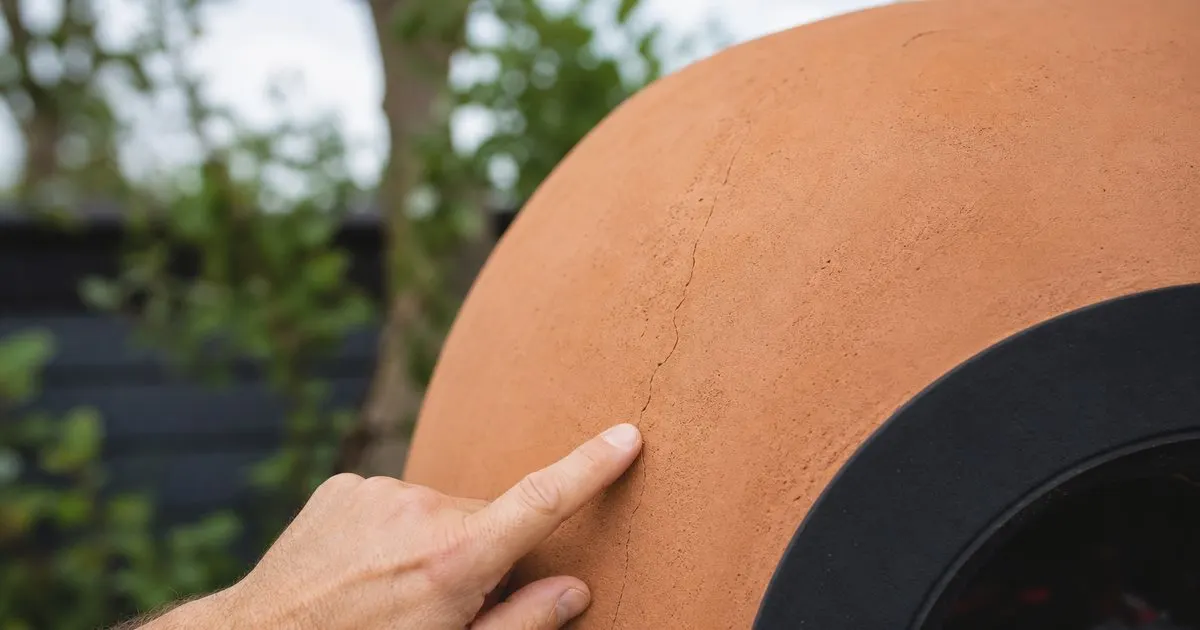
Why cracks appear in the first place
Refractory materials expand when heated and contract when they cool, and a dome oven goes through that cycle every time it is fired. The inside surface of the dome reaches temperatures far above the outside, so different parts of the same material are expanding by different amounts at the same time. Something has to give, and the material relieves that stress by forming fine cracks. Cast modular ovens are engineered with this in mind; brick ovens do it at the mortar joints. Either way, a network of fine lines on the inside of the dome or in the outer render after the first season is ordinary. Related: Which is better for backyard entertaining, wood fired or gas pizza ovens?
The cracks that concern experienced owners come from other causes: incomplete curing that turned trapped water to steam, a fire built too hot too fast, freeze damage from water in the structure, movement in the base or foundation, or a dome built without room to expand against a rigid enclosure. Each of those has a different signature, and reading the crack tells you which you are looking at. The good news is that most of them are preventable, and the ones that do happen are often repairable if caught before they grow.
Keep reading: How hot does a wood fired pizza oven need to get for Neapolitan?, Which is better for backyard entertaining, wood fired or gas pizza ovens?, What refractory materials keep a built in pizza oven radiating even heat?. See how Fornaluxe helps you the artisan guide to wood-fired and built-in pizza ovens.
Cracks that are normal and can be left alone
Hairline cracks in the interior surface of the dome that stay narrow, do not grow over successive fires, and do not admit light or smoke are cosmetic. They typically close up as the oven heats and open slightly as it cools. On a rendered or stuccoed exterior, fine map cracking in the finish coat is usually the render itself shrinking or moving with the insulation beneath it, not the dome. Cracks in the vestibule or landing arch, where the temperature swings are largest, are also common and generally benign. Related: How long does a premium pizza oven take to reach cooking temperature?
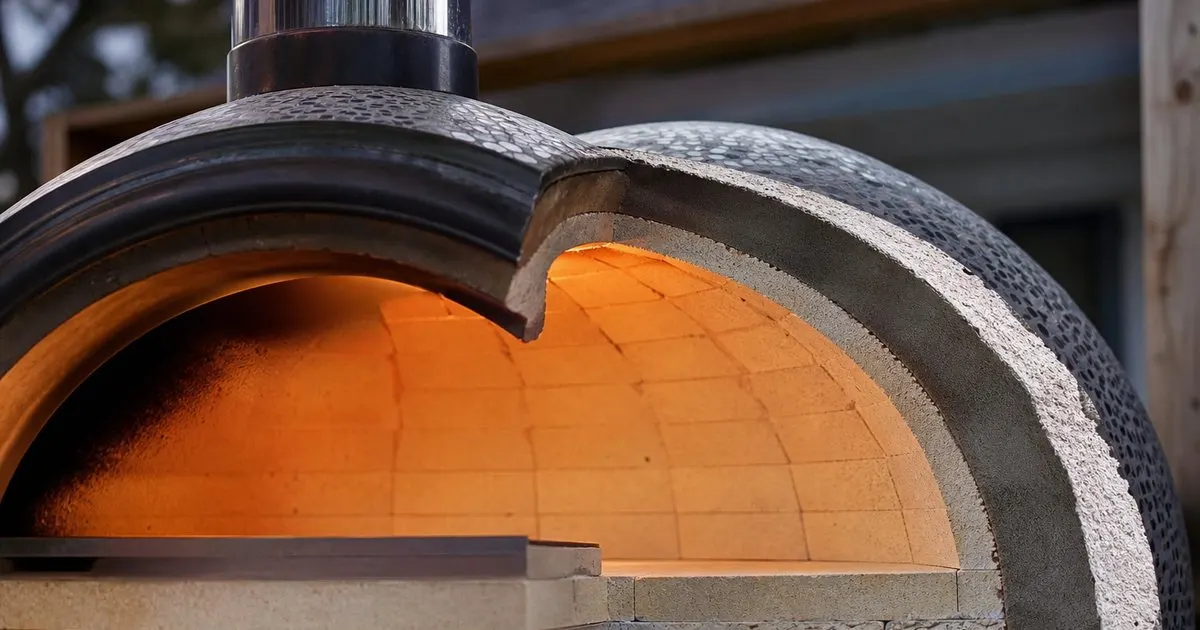
Cast ovens shipped in several sections often show visible lines at the section joints after a few fires; the joint mortar is designed to yield there. Brick ovens develop fine cracks along mortar joints in the same way. If you want to keep an eye on things, photograph the interior when cool a few times a year and compare. A crack that looks identical across two seasons is doing no harm. Filling every hairline with repair compound is unnecessary and often makes things look worse, since the patch will crack again on the same line.
Warning signs that deserve attention
Width and growth are the first tests. A crack you can slip a fingernail or a coin edge into, or one that has visibly lengthened since you last looked, is beyond cosmetic. Light or smoke passing through the dome means the crack runs the full thickness and is letting heat escape into the insulation and enclosure, which will shorten heat retention and can damage the enclosure. Cracks that run across the cooking floor and lift a tile edge are both a cooking problem and a sign of movement below. A crack accompanied by a step or offset in the surface, where one side sits higher than the other, points to structural movement in the base rather than thermal stress.
Look at the enclosure and base as well. Cracks in the stucco or stone facade that line up with cracks in the dome, cracking in the concrete hearth slab, or a countertop that has pulled away from the oven face all suggest the foundation is settling or the base was built without proper reinforcement. That is an installation problem rather than an oven problem, and it needs a mason or structural contractor rather than a tube of refractory caulk. In a new oven, any of these signs within the first year should go straight back to the installer under warranty. Related: What refractory materials keep a built in pizza oven radiating even heat?
Repairs, when to call in help, and prevention
Minor through cracks in the dome can usually be addressed by an owner with a refractory patching compound rated well above pizza temperature, applied to a clean, slightly dampened surface and then cured with gentle fires just like a new oven. Larger sections, lifted floor tiles, or cracks with any offset should be assessed by the manufacturer or an experienced oven builder, since the fix may involve removing facade material to reach the dome. Premium oven makers generally have replacement sections and clear repair guidance; ask about this before purchase, because the answer says a great deal about the product. Related: How hot does a wood fired pizza oven need to get for Neapolitan?
Prevention is far cheaper than repair. Cure the oven properly, warm it gradually every time, keep water out of the structure, and make sure the enclosure gives the dome room to expand. Insist that the installer places an expansion gap or compressible layer between the dome and any rigid enclosure, and insist on a properly reinforced base. Owners who do these things typically live with a few harmless hairlines for decades and never see a serious crack. If you are shopping, a manufacturer's honest description of how their dome cracks and how they handle it is more reassuring than a claim that it never will. Where we link to repair products, we may earn a commission, with no effect on the advice above.
- Fine hairline cracks that stay stable and do not admit light are a normal part of masonry oven life.
- Growing width, visible light or smoke, lifted floor tiles, or an offset surface are real warning signs.
- Cracks that line up with facade or base cracks point to settling or a weak foundation, not thermal stress.
- Cure properly, warm gradually, keep water out, and allow expansion room to prevent serious cracking.

Julien Jimenez
Julien Jimenez is an independent software builder based in Paris. He designs, ships, and operates focused SaaS products for small businesses and independent professionals. Read the full author page.
The Fire at the Center of Every Evening
The artisan guide to wood-fired and built-in pizza ovens. Fornaluxe is built to help you put this into practice.
Choose your ovenMore from the Fornaluxe blog
How hot does a wood fired pizza oven need to get for Neapolitan?

Which is better for backyard entertaining, wood fired or gas pizza ovens?
What refractory materials keep a built in pizza oven radiating even heat?
Get the complete wood-fired and built-in pizza ovens guide
Our full buying guide, the price guide, and new research as we publish it. One email, no spam, unsubscribe any time.