What is the best way to manage a live fire while cooking pizzas back to back?
Getting one perfect pizza is easy. Getting fifteen in a row means saturating the mass, reading the floor separately from the dome, and feeding the fire on a rhythm.
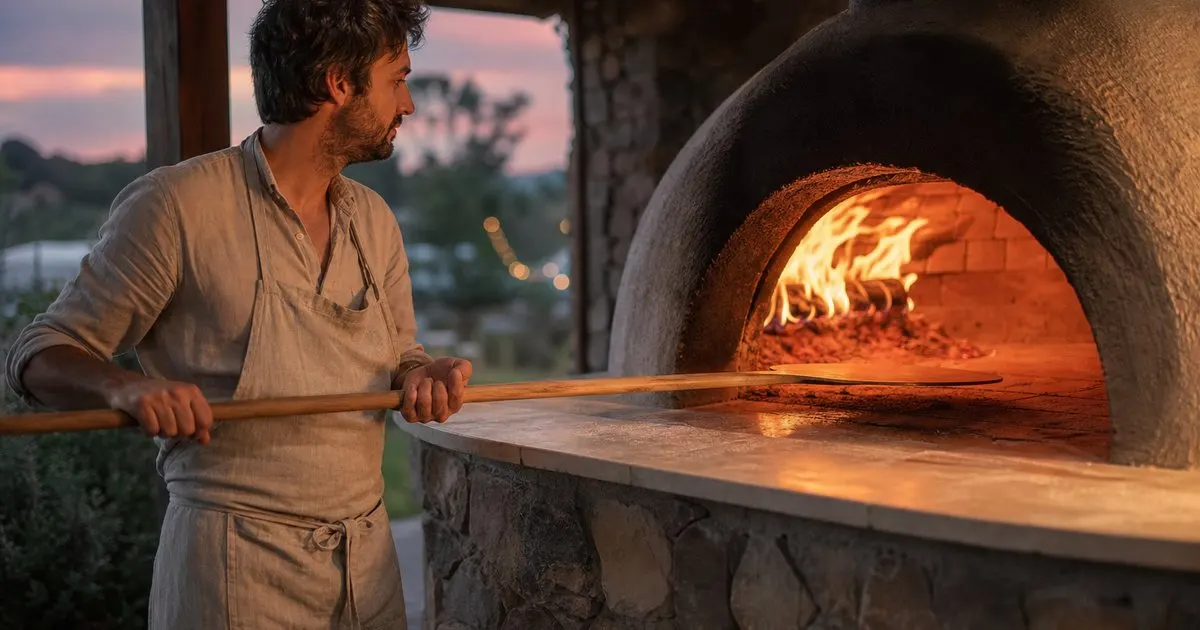
Saturating the Mass Before the First Pizza
A live fire session begins long before the first ball of dough. The goal of the opening burn is not a dramatic flame, it is a saturated thermal mass: dome, cooking floor and the insulation behind them all charged with heat that will feed back into the chamber for hours. Start small in the center of the floor with dry kindling and finger sized splits, let the fire establish, then step up gradually to larger pieces. Rushing this with a heavy load of wood buys you a tall flame, a hot dome and a floor that is still cold, which is precisely the combination that produces a blistered top over a pale, floppy base. Related: What refractory materials keep a built in pizza oven radiating even heat?
The traditional signal is visual. When the soot on the dome burns off and the interior brick goes from black to a chalky white, the structure is close to ready. Push the coal bed to one side or to the back, depending on your oven's geometry, sweep the floor, and then leave it alone for a stretch so heat equalizes across the cooking surface. Many experienced bakers wait a further twenty to forty minutes after the dome clears before launching. That patience is what decides how pizzas two through fifteen behave.
Keep reading: How hot does a wood fired pizza oven need to get for Neapolitan?, Which is better for backyard entertaining, wood fired or gas pizza ovens?, What refractory materials keep a built in pizza oven radiating even heat?. See how Fornaluxe helps you the artisan guide to wood-fired and built-in pizza ovens.
Reading the Floor and the Dome as Two Different Numbers
Dome temperature and floor temperature are separate measurements and they do not fall at the same rate. The dome drives the radiant heat that colors the top and puffs the rim. The floor drives conduction into the base and sets the crust. An infrared thermometer aimed at the exact patch where you launch is the most useful instrument in the whole session, because the eye cannot distinguish a floor that is ready from one that is a hundred degrees short until a disappointing pizza comes back out. Related: How hot does a wood fired pizza oven need to get for Neapolitan?
Style dictates the target. Neapolitan style work wants a very hot floor with an active flame overhead and bakes in a minute or two. New York style rounds, pan bakes and anything heavily topped want somewhat lower floor and dome readings so the interior has time to set before the exterior colors. During a busy session, take a reading at the launch spot before every pizza instead of trusting one measurement from the start, and pay attention to how quickly that spot climbs back.
Feeding the Fire Between Bakes Without Losing the Rhythm
The classic error in back to back service is feeding the oven the way you would feed a fireplace. A large log dropped onto the coal bed smothers it, kills the flame, throws smoke across the chamber and takes several minutes to catch, all while shaped dough waits on the bench. Feed instead with small, dry, well seasoned splits, one or two at a time, set against the hot edge of the coals so they ignite almost immediately. What you want is a steady flame licking along the dome above the cooking area, not a bonfire piled in the corner.
Timing counts as much as size. Add wood the moment a pizza comes out rather than while one is baking, so the new flame has a minute to establish and any smoke burns clean before the next launch. Keep the coal bed compact and raked rather than smeared across the floor, and shift your launch spot slightly on each pizza so no single patch gets exhausted. A brush and a rake kept within arm's reach turn all of this into a reflex instead of a scramble mid service. Related: Which is better for backyard entertaining, wood fired or gas pizza ovens?
Recovering the Floor and Closing the Session Well
Floor recovery, not dome heat, is the real ceiling on how many pizzas an oven can turn out in an hour. Every launch pulls heat out of one specific patch, and a thicker cooking floor with substantial mass beneath it returns to temperature faster than a thin one. If your readings drift steadily downward through a session, the fix is almost always more soak time before you start and a smaller, better maintained flame throughout, rather than a larger fire chasing the deficit once the floor has fallen behind. Related: How long does a premium pizza oven take to reach cooking temperature?
When the pizzas are finished, the oven is still an asset. Rake the coals, close the door, and let the retained heat carry roasts, root vegetables, beans or a loaf through the evening and into the morning. Let the fire die down on its own rather than dousing it, since sudden cooling stresses refractory and mortar joints. Sweep cold ash the following day into a metal container with a tight lid, and store that container away from anything combustible until you are certain nothing inside is still alive.
- Build heat gradually and rest the oven after the dome clears so the floor catches up with the dome before the first launch.
- Check the floor with an infrared thermometer at the actual launch spot before each pizza rather than trusting one early reading.
- Feed one or two small dry splits immediately after a pizza comes out, so the flame is established and smoke free before the next one goes in.
- Floor recovery time sets your realistic output per hour, so fix a fading session with more soak time, not a bigger fire.

Julien Jimenez
Julien Jimenez is an independent software builder based in Paris. He designs, ships, and operates focused SaaS products for small businesses and independent professionals. Read the full author page.
The Fire at the Center of Every Evening
The artisan guide to wood-fired and built-in pizza ovens. Fornaluxe is built to help you put this into practice.
Choose your ovenMore from the Fornaluxe blog
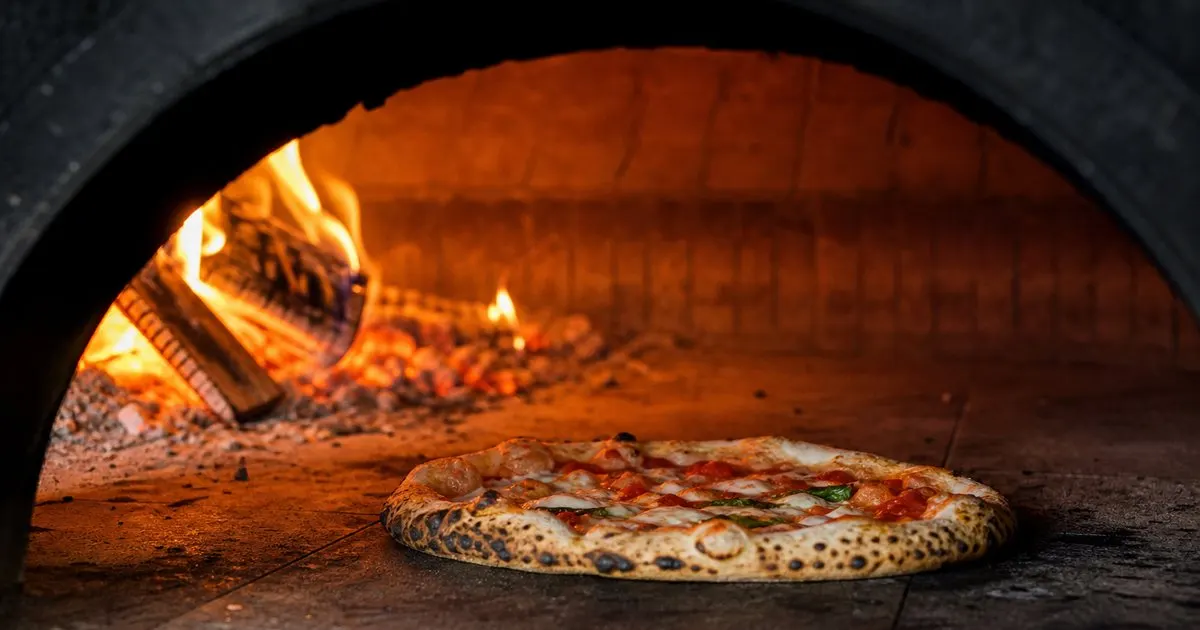
How hot does a wood fired pizza oven need to get for Neapolitan?
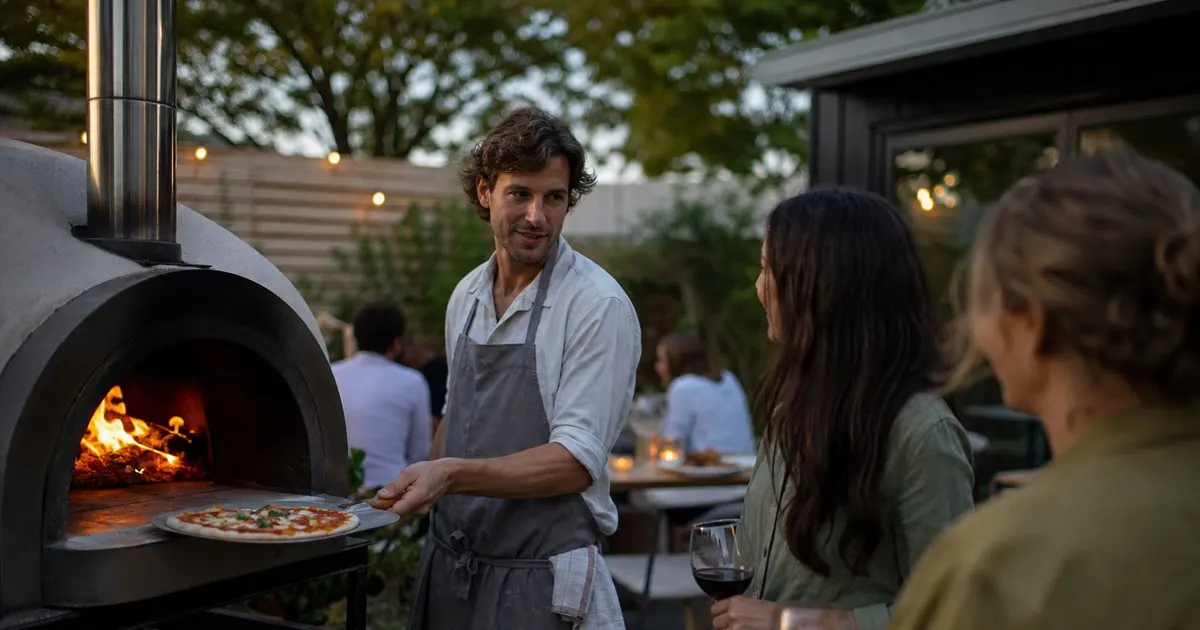
Which is better for backyard entertaining, wood fired or gas pizza ovens?
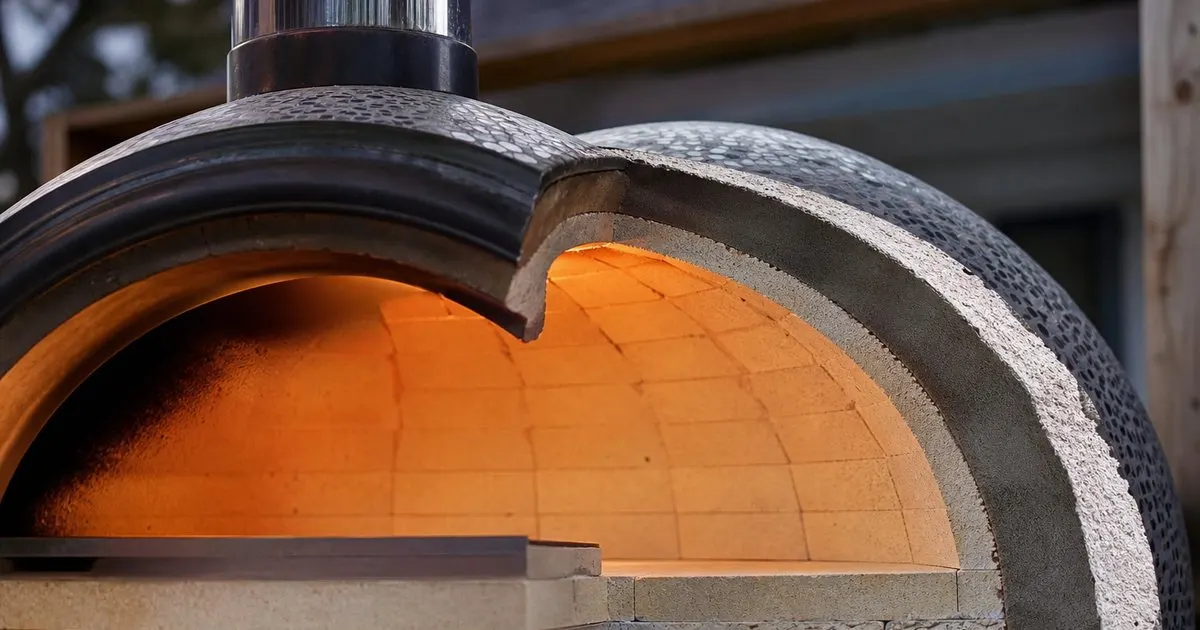
What refractory materials keep a built in pizza oven radiating even heat?
Get the complete wood-fired and built-in pizza ovens guide
Our full buying guide, the price guide, and new research as we publish it. One email, no spam, unsubscribe any time.