What should a homeowner do when winter freezes threaten an outdoor oven?
Water inside masonry plus a hard freeze is the fastest way to ruin an expensive oven. Here is how to keep a built in oven safe until spring, and how to keep cooking in the cold.
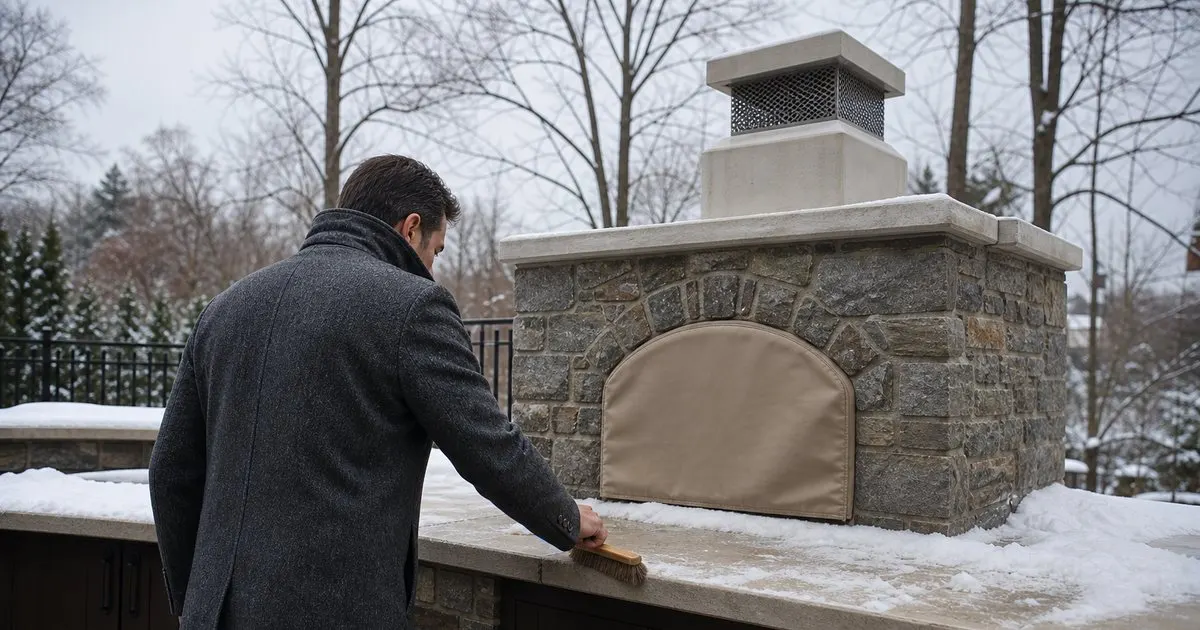
Why freeze thaw is the real enemy
Refractory materials and masonry are porous by nature. Rain, melting snow, and humid air all work their way into the dome, the mortar joints, the insulation, and the cooking floor. In mild weather that moisture simply evaporates or is driven out by the next fire. In a hard freeze it expands as it turns to ice, pushing apart the material around it. Repeated cycles of freezing and thawing widen hairline cracks into structural ones, lift floor tiles, and crumble mortar. Insulation that is soaked loses much of its ability to hold heat, so the oven takes longer to heat and cools faster even after it dries. Related: What refractory materials keep a built in pizza oven radiating even heat?
The second winter threat is thermal shock. Firing a cold, wet oven hard turns trapped water to steam inside the dome, which can spall the surface and crack the sections, the same failure that curing is designed to prevent. Owners in northern climates who fire a snow covered oven straight to pizza temperature on a January afternoon have found this out at some expense. The solution is not to avoid winter cooking, which is one of the great pleasures of oven ownership, but to keep water out and to warm the oven gradually. Related: Which is better for backyard entertaining, wood fired or gas pizza ovens?
Keep reading: How hot does a wood fired pizza oven need to get for Neapolitan?, Which is better for backyard entertaining, wood fired or gas pizza ovens?, What refractory materials keep a built in pizza oven radiating even heat?. See how Fornaluxe helps you the artisan guide to wood-fired and built-in pizza ovens.
Keeping water out of the structure
The first line of defense is the enclosure. A built in oven should have a weatherproof roof or a properly flashed housing, and a flue with a rain cap. Check the joints where the chimney meets the enclosure, where the landing meets the facade, and around any countertop that abuts the oven, since these are the places water finds its way in. Sealants degrade, so inspect them each fall and reseal as needed. A stucco or stone facade with a hairline crack at the top of the dome can let a surprising amount of water into the insulation below it.
Second is the mouth. Fit an insulated door that closes snugly and, for extended idle periods, a fitted cover over the entire oven face, ideally a breathable one rather than a plastic sheet that traps condensation. Some owners cap the flue with a removable plug during long spells of disuse to stop wind driven snow from entering; if you do, tag it visibly so no one lights a fire with the plug in place. Keep the ash pit and any wood storage niche clear of standing water, and make sure the base drains rather than pooling beneath the floor insulation.
Cooking in cold weather without damage
Cold weather cooking is entirely practical if you respect the warm up. Start with a small fire and let it build over a longer period than you would in summer, giving any absorbed moisture a chance to leave as vapor. Expect the oven to take noticeably longer to reach cooking temperature and to consume more wood, since it is losing heat to freezing air the whole time. Insulated ovens shine here; thin, poorly insulated units may struggle to hold Neapolitan temperatures at all when the air is below freezing. Related: How hot does a wood fired pizza oven need to get for Neapolitan?
Wind matters more than temperature for comfort and for draft. A windbreak, even a temporary one, keeps the cooking area usable and reduces downdrafts through the flue. Keep the door on between pizzas to hold heat, and cook in shorter, more concentrated sessions. Once finished, put the door in place and let the oven cool with the residual heat protecting it from any immediate freeze. Many owners find that winter is prime bread season for exactly this reason: the oven stays warm behind a door for a long time and the cold air keeps the cook comfortable. Related: How long does a premium pizza oven take to reach cooking temperature?
A fall checklist and a spring restart
Before the first hard frost, give the oven a thorough inspection. Clear ash, check the flue cap and screen, inspect facade and countertop joints, reseal anything that has opened, and fire the oven once at moderate heat to dry it out. Then install the door and cover. If the oven is on a freestanding cart in a very cold climate, moving it under a covered structure is preferable to leaving it exposed. For a built in oven, the enclosure is the protection, so this is the moment to confirm it is doing its job.
In spring, treat the first fire as a light curing session, particularly after a wet winter. A small fire held for several hours, followed by a moderate one, will show you whether the oven absorbed water: look for steam from the dome and joints and for damp patches on the exterior. Only after those disappear should the oven go to full heat. An oven treated this way for a few winters will look and perform much like it did on the day it was installed, which is exactly what you paid for. Where we link to covers or doors in this guide, we may earn a small commission.
- Freeze thaw cycles in wet masonry widen cracks and wreck insulation, so keeping water out is the priority.
- Inspect and reseal enclosure joints each fall, fit a snug insulated door, and cap the flue.
- Cook in winter with a slow warm up, a windbreak, and the door on between pizzas.
- Begin spring with a gentle drying fire before returning to full pizza temperature.

Julien Jimenez
Julien Jimenez is an independent software builder based in Paris. He designs, ships, and operates focused SaaS products for small businesses and independent professionals. Read the full author page.
The Fire at the Center of Every Evening
The artisan guide to wood-fired and built-in pizza ovens. Fornaluxe is built to help you put this into practice.
Choose your ovenMore from the Fornaluxe blog
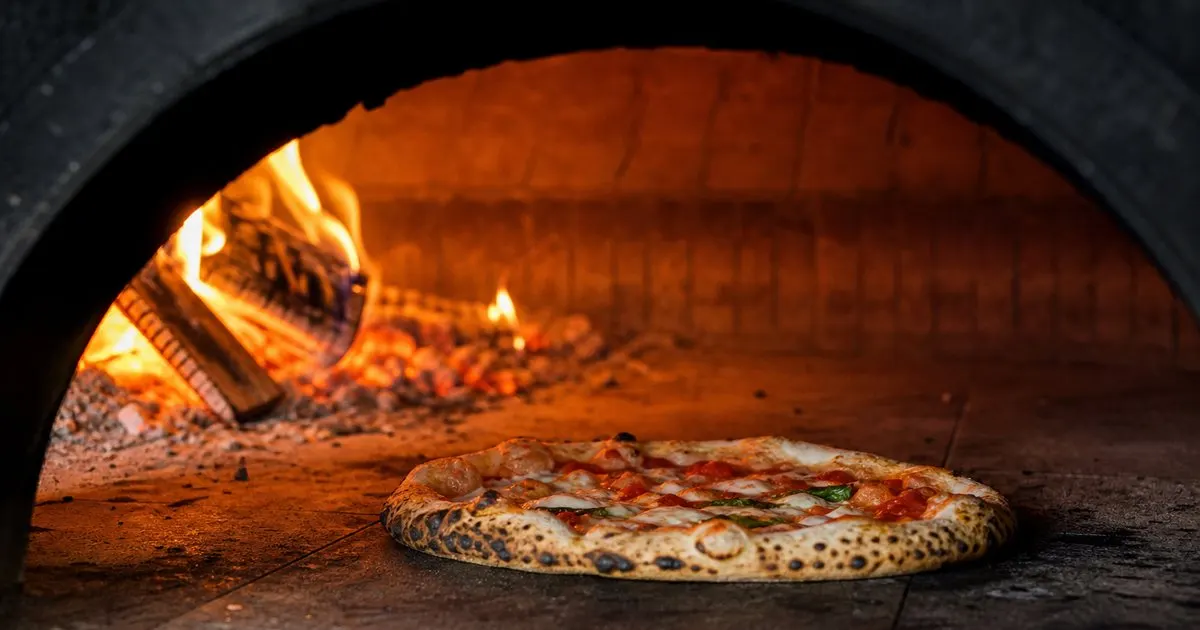
How hot does a wood fired pizza oven need to get for Neapolitan?

Which is better for backyard entertaining, wood fired or gas pizza ovens?
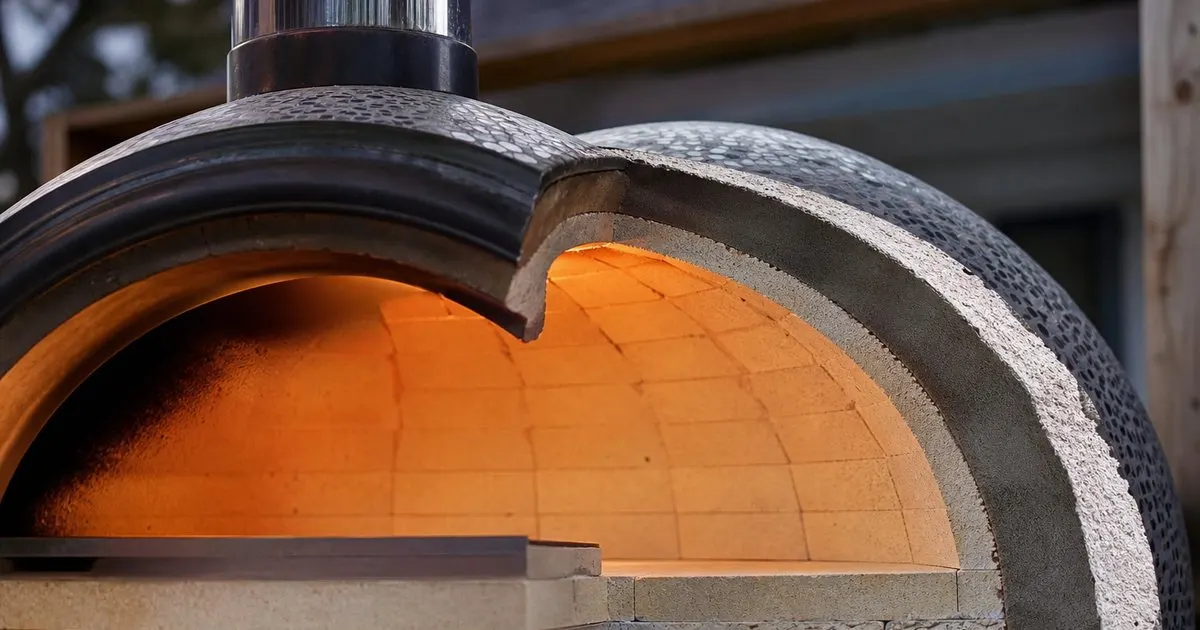
What refractory materials keep a built in pizza oven radiating even heat?
Get the complete wood-fired and built-in pizza ovens guide
Our full buying guide, the price guide, and new research as we publish it. One email, no spam, unsubscribe any time.