How long does a premium pizza oven take to reach cooking temperature?
Heat up time comes down to mass and insulation, not size alone. Here is what to expect.
A well insulated premium oven reaches cooking temperature in a modest window rather than hours, with the exact time set by its mass, insulation, fuel, and target temperature. Gas tends to heat faster, wood a little slower. More thermal mass takes longer to heat but holds and recovers heat far better once fully saturated.
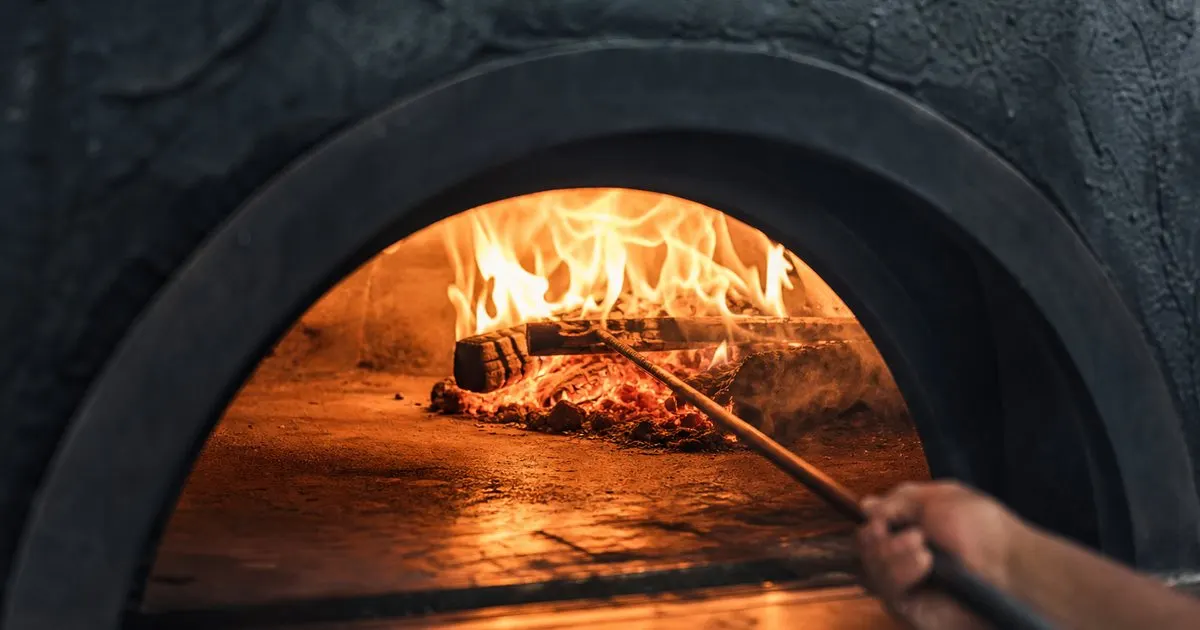
What determines the wait
Heat up time depends chiefly on the oven's mass and insulation, not simply its size. A well insulated oven traps the fire's energy and reaches temperature efficiently. Related: How hot does a wood fired pizza oven need to get for Neapolitan?
A poorly insulated oven fights the surrounding air the whole way, taking longer and burning more fuel. Insulation is the quiet factor that shortens the wait.
Keep reading: How hot does a wood fired pizza oven need to get for Neapolitan?, Which is better for backyard entertaining, wood fired or gas pizza ovens?, What refractory materials keep a built in pizza oven radiating even heat?. See how Fornaluxe helps you the artisan guide to wood-fired and built-in pizza ovens.
Typical expectations
A well made, well insulated oven reaches cooking temperature in a modest window rather than hours. The exact time varies with the oven, the fuel, and the target temperature.
Gas ovens often reach temperature quickly, while wood ovens take a little longer as the fire builds and the mass warms. Both are reasonable when the oven is well designed. Related: Which is better for backyard entertaining, wood fired or gas pizza ovens?
The trade with thermal mass
More thermal mass takes a little longer to heat but holds and recovers heat far better once there. This is a worthwhile trade for anyone cooking several pizzas. Related: What refractory materials keep a built in pizza oven radiating even heat?
A very light oven heats fast but fades fast. The best ovens balance a sensible heat up time against the ability to cook a whole evening's pizzas. Related: Why does oven dome shape influence the flavor of your pizza?
Getting ready efficiently
Building the fire well and letting the mass fully saturate with heat gives the best, most stable cooking. Rushing leaves the oven hot in spots but not truly ready.
Plan a little lead time before guests arrive so the oven is genuinely up to temperature. A properly heated oven rewards you with even, consistent pizzas.
- Mass and insulation, not size, drive heat up time
- A well insulated oven reaches temperature in a modest window
- More mass heats slower but holds heat far better
- Let the mass fully saturate for stable, even cooking

Julien Jimenez
Julien Jimenez is an independent software builder based in Paris. He designs, ships, and operates focused SaaS products for small businesses and independent professionals. Read the full author page.
Frequently asked questions
Does a bigger oven take longer to heat?
Size plays a part, but mass and insulation matter more. A well insulated oven reaches temperature efficiently, while a poorly insulated one takes longer regardless of size.
Is a faster heating oven better?
Not necessarily. Very light ovens heat fast but fade fast. More thermal mass takes a little longer but holds heat for a whole evening, which is better for cooking several pizzas.
The Fire at the Center of Every Evening
The artisan guide to wood-fired and built-in pizza ovens. Fornaluxe is built to help you put this into practice.
Choose your ovenMore from the Fornaluxe blog
How hot does a wood fired pizza oven need to get for Neapolitan?

Which is better for backyard entertaining, wood fired or gas pizza ovens?
What refractory materials keep a built in pizza oven radiating even heat?
Get the complete wood-fired and built-in pizza ovens guide
Our full buying guide, the price guide, and new research as we publish it. One email, no spam, unsubscribe any time.