Which is better for backyard entertaining, wood fired or gas pizza ovens?
Flavor and drama versus speed and control. Here is how to choose for the way you host.
Neither is simply better, it depends on how you host. Wood delivers flavor, aroma, and the theater of a live fire, rewarding those who enjoy the ritual. Gas offers speed and effortless control for spontaneous, frequent evenings. Dual fuel provides both at added cost. Match the fuel to how often and how deliberately you entertain.

The wood fired experience
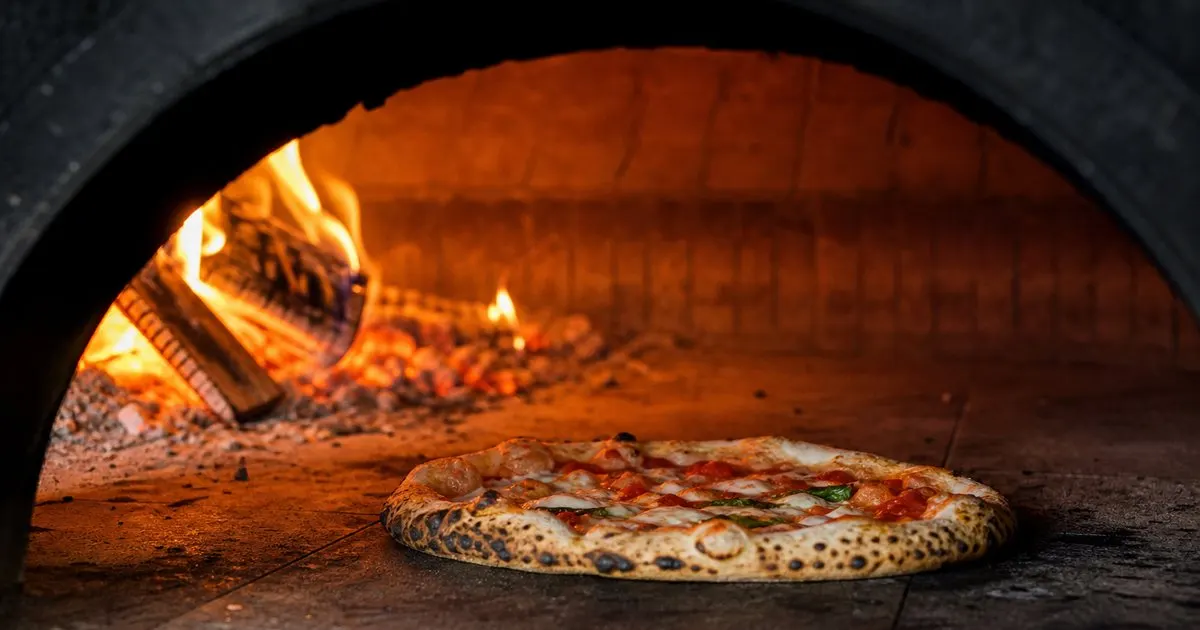
Wood brings flavor, aroma, and a sense of occasion that many hosts treasure. The live fire is part of the entertainment, drawing guests around it as the pizzas cook. Related: Why does oven dome shape influence the flavor of your pizza?
It also asks more of you, tending the fire and managing the heat. For those who enjoy the ritual, that involvement is the point rather than a chore. Related: Can a wood fired oven cook more than just pizza well?
Keep reading: How hot does a wood fired pizza oven need to get for Neapolitan?, What refractory materials keep a built in pizza oven radiating even heat?, How long does a premium pizza oven take to reach cooking temperature?. See how Fornaluxe helps you the artisan guide to wood-fired and built-in pizza ovens.
The convenience of gas
Gas offers speed, consistency, and control at the turn of a dial. For spontaneous evenings or frequent use, that ease keeps the oven in regular service.
The trade is some of the flavor and theater of a live fire. Gas is the pragmatic choice for hosts who value reliability and quick starts over ritual. Related: What is the best way to manage a live fire while cooking pizzas back to back?
The dual fuel middle ground
Some ovens offer both, letting you enjoy wood when you want the experience and gas when you want convenience. This flexibility suits hosts who value both.
Dual fuel adds cost and complexity, but for many it resolves the choice neatly. You are not forced to pick between flavor and ease every time.
Matching to how you host
Be honest about your evenings. Frequent, spontaneous gatherings favor gas or dual fuel, while occasional, celebratory cooking rewards the ritual of wood. Related: How long does a premium pizza oven take to reach cooking temperature?
Neither is simply better. The right oven is the one that suits how often, and how deliberately, you actually entertain.
- Wood brings flavor, aroma, and the theater of live fire
- Gas brings speed, consistency, and effortless control
- Dual fuel offers both at added cost and complexity
- Match the fuel to how often and how spontaneously you host

Julien Jimenez
Julien Jimenez is an independent software builder based in Paris. He designs, ships, and operates focused SaaS products for small businesses and independent professionals. Read the full author page.
Frequently asked questions
Does wood really taste better than gas?
Wood adds aroma and a subtle flavor that many prize, along with the theater of live fire. Gas trades some of that for speed and control, so it comes down to what you value when hosting.
Is dual fuel worth the extra cost?
For hosts who want flavor on special occasions and convenience on busy evenings, often yes. It resolves the choice, though it adds cost and complexity over a single fuel oven.
The Fire at the Center of Every Evening
The artisan guide to wood-fired and built-in pizza ovens. Fornaluxe is built to help you put this into practice.
Choose your ovenMore from the Fornaluxe blog
How hot does a wood fired pizza oven need to get for Neapolitan?
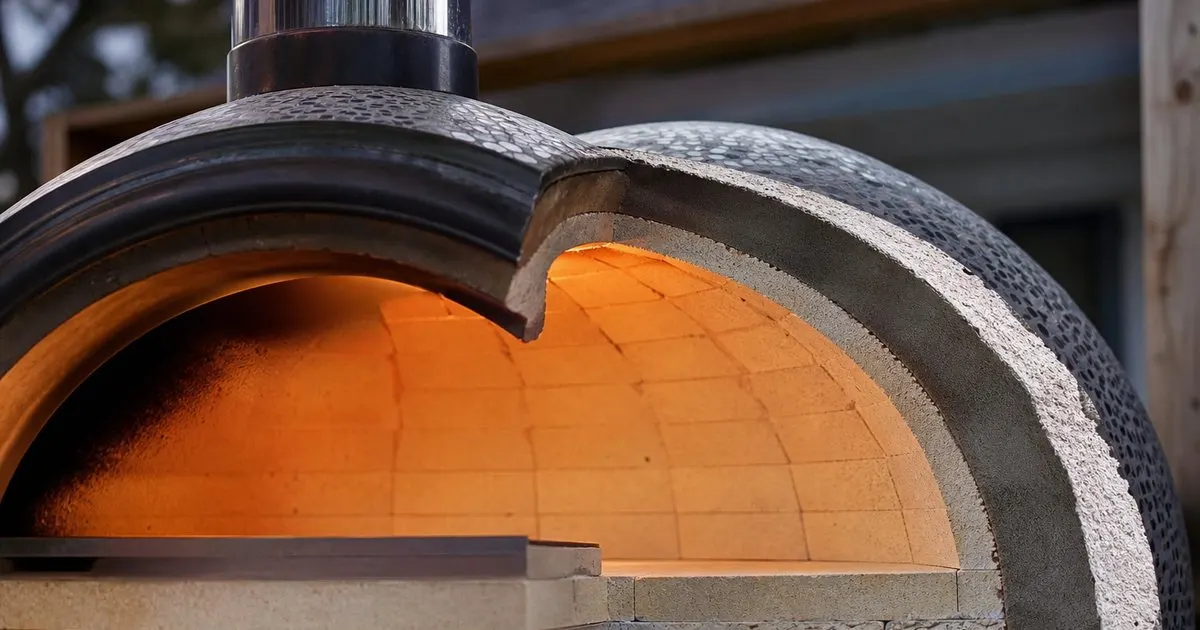
What refractory materials keep a built in pizza oven radiating even heat?
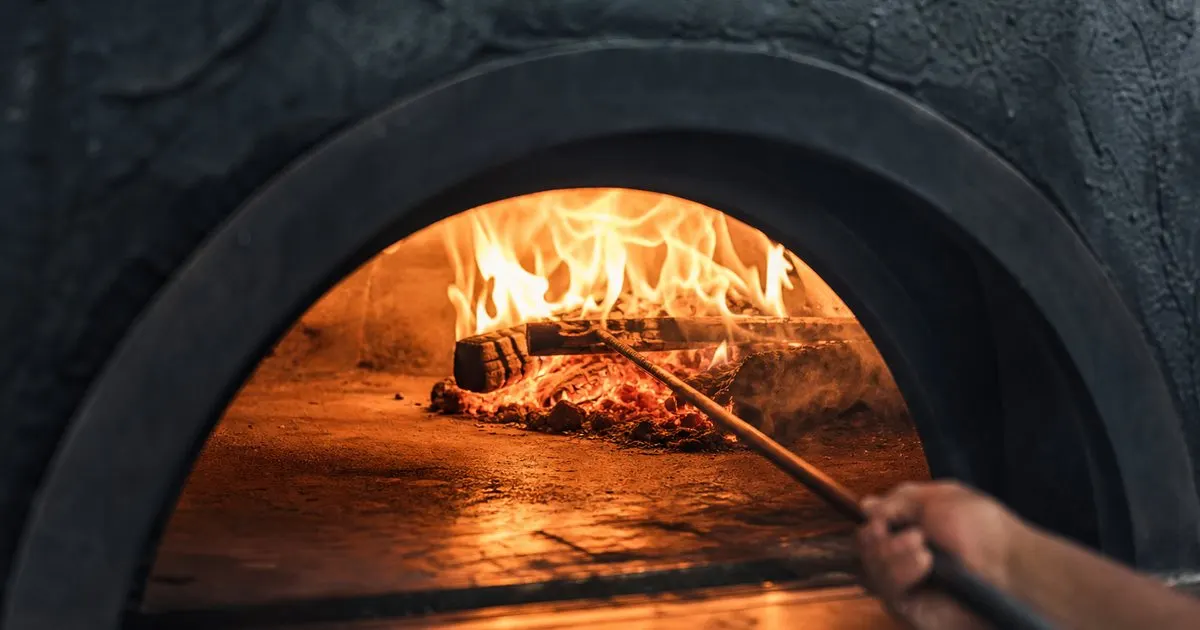
How long does a premium pizza oven take to reach cooking temperature?
Get the complete wood-fired and built-in pizza ovens guide
Our full buying guide, the price guide, and new research as we publish it. One email, no spam, unsubscribe any time.