How hot does a wood fired pizza oven need to get for Neapolitan?
True Neapolitan crust demands fierce, specific heat. Here is the temperature target and why it matters.
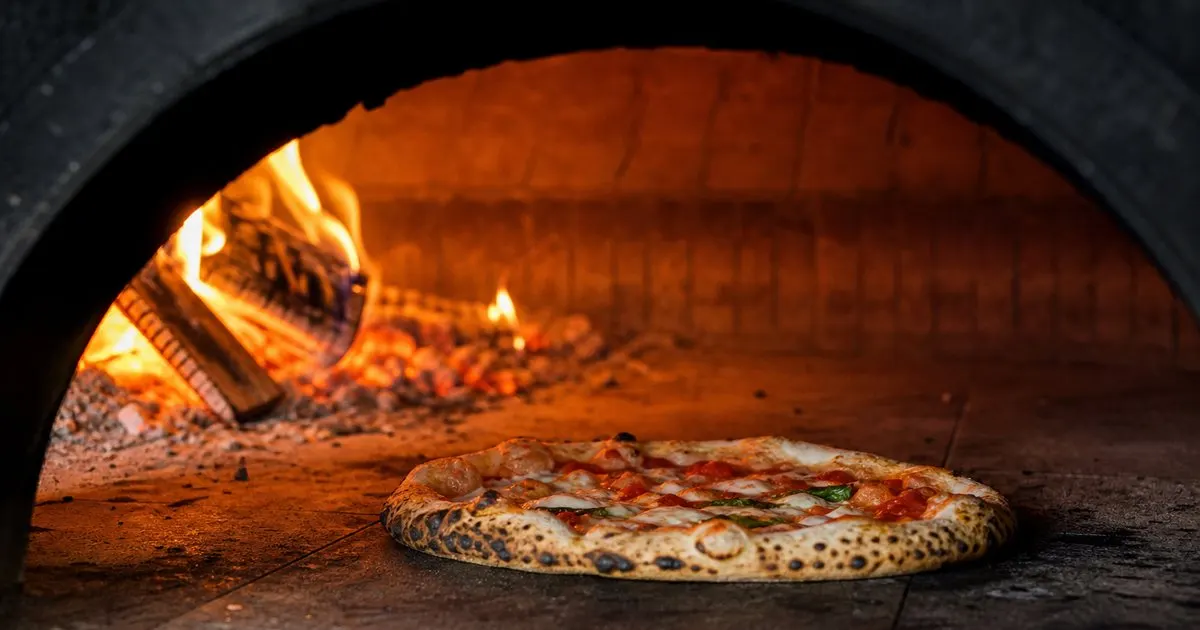
For true Neapolitan pizza, the oven floor needs to approach nine hundred degrees Fahrenheit, cooking the pizza in moments to produce a puffed, leoparded crust. Just as important, the dome must radiate matching heat onto the top, and the oven must hold and recover that heat between pizzas through good thermal mass and insulation.
The temperature that defines the style
True Neapolitan pizza is cooked fast in fierce heat, with a floor approaching nine hundred degrees Fahrenheit. That intensity is what produces the puffed, leoparded crust in a matter of moments. Related: Why does oven dome shape influence the flavor of your pizza?
This is not a marketing figure but the physics of the style. Below that heat, the crust cooks slowly and loses the airy lift and char that define Neapolitan pizza.
Keep reading: Which is better for backyard entertaining, wood fired or gas pizza ovens?, What refractory materials keep a built in pizza oven radiating even heat?, How long does a premium pizza oven take to reach cooking temperature?. See how Fornaluxe helps you the artisan guide to wood-fired and built-in pizza ovens.
Why the heat must be balanced
It is not only floor heat that matters. The dome must radiate heat down onto the top of the pizza so the surface cooks in step with the base.
A great oven balances floor and dome heat, cooking the pizza evenly in the brief window. An oven that is hot underneath but cool above chars the base and leaves the top pale. Related: Which is better for backyard entertaining, wood fired or gas pizza ovens?
Holding the heat
Reaching the temperature is only half the task. The oven must hold and recover that heat between pizzas, which is where thermal mass and insulation prove themselves. Related: What refractory materials keep a built in pizza oven radiating even heat?
A well built oven keeps cooking pizza after pizza without sagging. A thin one spikes then fades, so the first pizza succeeds and the rest disappoint. Related: How long does a premium pizza oven take to reach cooking temperature?
Other styles, other temperatures
Not every pizza wants such fierce heat. Other styles cook lower and slower, so the right target depends on the pizza you actually want to make.
For Neapolitan specifically, though, the fierce floor heat is essential. Choose an oven that can reach and hold it if that is the style you love.
- Neapolitan crust wants a floor near nine hundred degrees Fahrenheit
- Dome heat must match floor heat to cook the pizza evenly
- Thermal mass and insulation hold and recover the heat
- Other pizza styles cook lower, so match the oven to the style

Julien Jimenez
Julien Jimenez is an independent software builder based in Paris. He designs, ships, and operates focused SaaS products for small businesses and independent professionals. Read the full author page.
Frequently asked questions
Why does Neapolitan need such high heat?
The fierce, brief cook is what creates the airy lift and leoparded char of the style. Lower heat cooks the crust slowly and loses those defining qualities.
Can one oven do other styles too?
Yes. Other styles cook lower and slower, and a versatile oven can manage a range. The very high heat is specific to Neapolitan, so choose an oven that reaches it if that style matters to you.
The Fire at the Center of Every Evening
The artisan guide to wood-fired and built-in pizza ovens. Fornaluxe is built to help you put this into practice.
Choose your ovenMore from the Fornaluxe blog

Which is better for backyard entertaining, wood fired or gas pizza ovens?
What refractory materials keep a built in pizza oven radiating even heat?
How long does a premium pizza oven take to reach cooking temperature?
Get the complete wood-fired and built-in pizza ovens guide
Our full buying guide, the price guide, and new research as we publish it. One email, no spam, unsubscribe any time.