When is professional installation essential for a built in pizza oven?
Some builds you can manage, others demand expertise. Here is when a professional is not optional.
Professional installation becomes essential once an oven is genuinely built in, involving structural loads, ventilation, and heat rated construction. These carry real safety implications and are easy to get wrong, from clearances to venting to the engineered base. Simple freestanding placement is within many owners' reach, but integration and permanence demand expertise to protect the oven and the home.
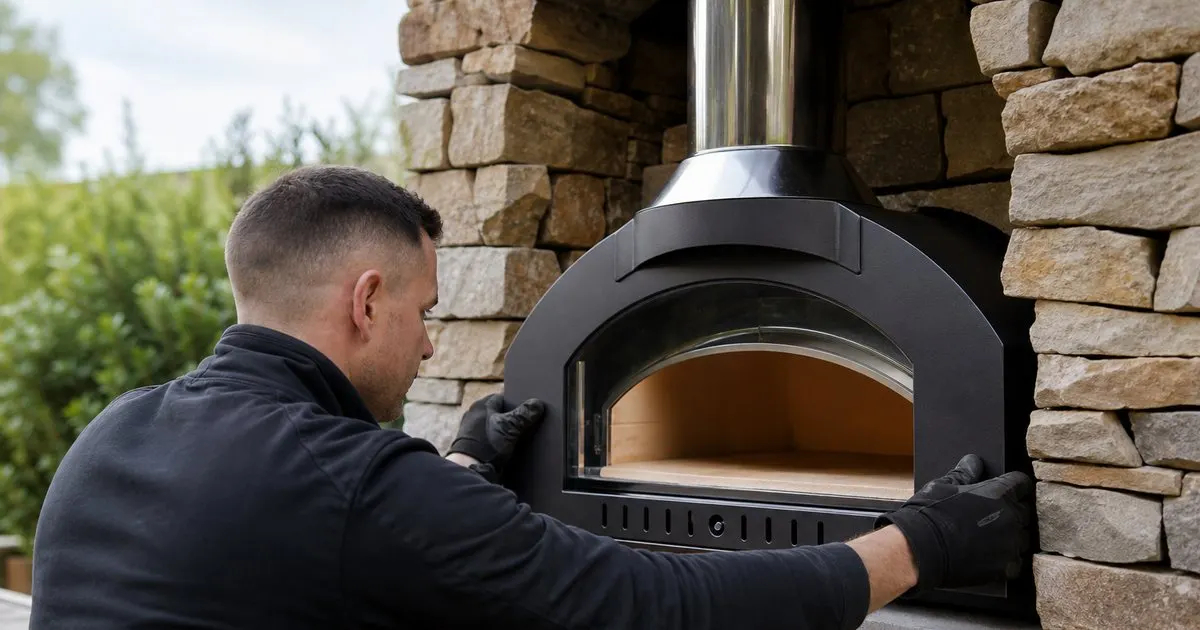
Where the risks lie
A built in oven involves intense heat, structural loads, and ventilation, all of which carry real safety implications. These are where professional expertise matters most. Related: How hot does a wood fired pizza oven need to get for Neapolitan?
A freestanding oven placed sensibly is straightforward. A built in installation, integrated into a structure, is where mistakes become dangerous and costly. Related: Should your outdoor pizza oven be freestanding or built into a counter?
Keep reading: How hot does a wood fired pizza oven need to get for Neapolitan?, Which is better for backyard entertaining, wood fired or gas pizza ovens?, What refractory materials keep a built in pizza oven radiating even heat?. See how Fornaluxe helps you the artisan guide to wood-fired and built-in pizza ovens.
Ventilation and clearances
Proper ventilation and safe clearances from combustible materials are essential and easy to get wrong. A professional ensures the oven vents correctly and the surround stays safe.
Overlooking these can create fire risk or damage to the structure. This is precisely the kind of work where expertise is not optional.
Structure and materials
A built in oven must sit on a base engineered for its weight and heat, within a surround of heat rated materials. Getting this wrong undermines the whole installation. Related: What refractory materials keep a built in pizza oven radiating even heat?
A professional understands the loads, the materials, and the construction that keep the oven sound and safe for years. This is skilled work, not a weekend project.
When you can do more yourself
Simple freestanding placement, with sensible clearances, is within reach of many owners. The need for a professional rises sharply with integration and permanence.
Be honest about the build's complexity. For anything involving structure, ventilation, and heat rated construction, professional installation protects both the oven and the home. Related: How long does a premium pizza oven take to reach cooking temperature?
- Built in ovens involve heat, structure, and ventilation risks
- Ventilation and safe clearances are easy to get wrong
- The base and surround must be engineered for weight and heat
- Freestanding placement is simpler, integration demands expertise

Julien Jimenez
Julien Jimenez is an independent software builder based in Paris. He designs, ships, and operates focused SaaS products for small businesses and independent professionals. Read the full author page.
Frequently asked questions
Can I install a pizza oven myself?
A simple freestanding oven placed with sensible clearances is within many owners' reach. A genuinely built in oven, involving structure, ventilation, and heat rated materials, calls for professional installation.
What are the main safety concerns?
Ventilation, safe clearances from combustible materials, and a base engineered for the oven's weight and heat. These are easy to get wrong, which is why integration demands expertise.
The Fire at the Center of Every Evening
The artisan guide to wood-fired and built-in pizza ovens. Fornaluxe is built to help you put this into practice.
Choose your ovenMore from the Fornaluxe blog
How hot does a wood fired pizza oven need to get for Neapolitan?

Which is better for backyard entertaining, wood fired or gas pizza ovens?
What refractory materials keep a built in pizza oven radiating even heat?
Get the complete wood-fired and built-in pizza ovens guide
Our full buying guide, the price guide, and new research as we publish it. One email, no spam, unsubscribe any time.