Why does a new masonry pizza oven need slow curing fires first?
Refractory castables and mortar hold water long after they feel dry. A patient curing schedule drives that moisture out without cracking the dome you just paid for.
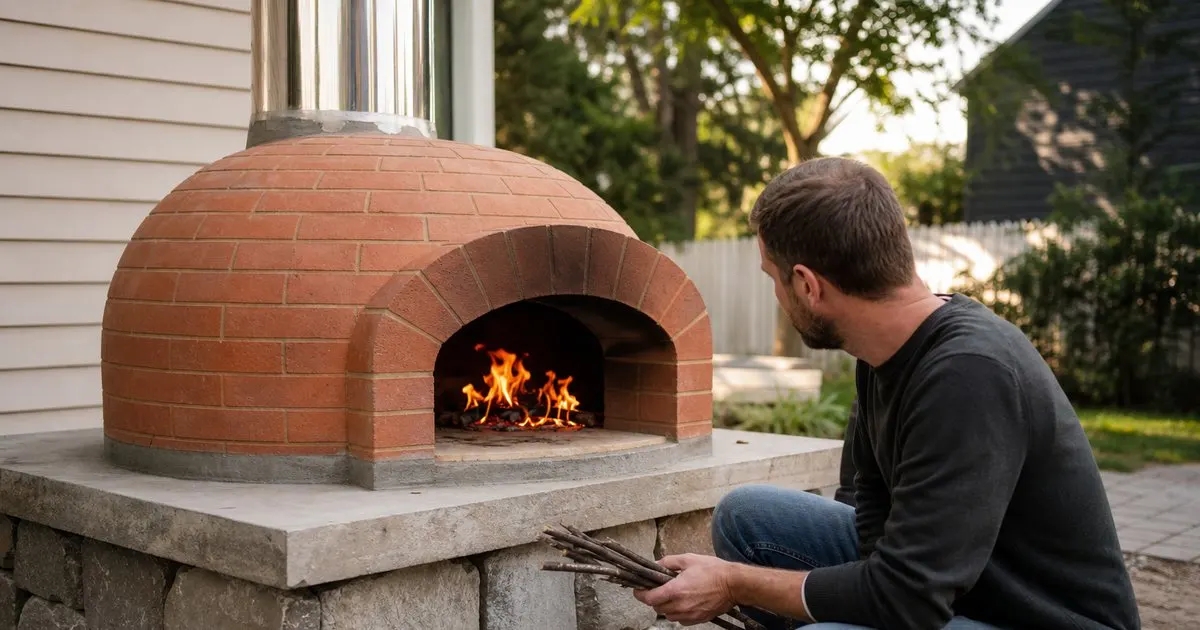
Water hides inside refractory long after installation
Every refractory material in a new oven, from the cast dome sections to the mortar joints, the insulating layer, and the cooking floor bed, was mixed or set with water. Some of that water is chemically bound during hydration; a good deal of it is simply trapped in the pores of the material. Surface dryness is misleading. A dome can feel bone dry to the touch and still hold a significant amount of moisture deep in its mass, particularly in a custom brick oven with thick mortar joints and a dense insulating layer poured on site. Related: What refractory materials keep a built in pizza oven radiating even heat?
Heat that moisture quickly and it turns to steam. Steam expanding inside a dense material creates pressure the material cannot vent fast enough, and the result is spalling, where flakes pop off the surface, or cracks that run through the dome. The damage is not always immediate or dramatic, which is why some owners assume they skipped curing without consequence, then wonder a year later why their oven leaks heat through a network of fissures. Curing is the process of driving that water out slowly, at temperatures low enough that it leaves as vapor rather than pressurized steam.
Keep reading: How hot does a wood fired pizza oven need to get for Neapolitan?, Which is better for backyard entertaining, wood fired or gas pizza ovens?, What refractory materials keep a built in pizza oven radiating even heat?. See how Fornaluxe helps you the artisan guide to wood-fired and built-in pizza ovens.
What a sensible curing schedule looks like
Manufacturers of premium modular ovens include a curing schedule in the manual, and it should be followed exactly, since they know how their specific castable behaves. The general pattern is a series of fires over roughly five to seven days, each one a little hotter and a little longer than the last. The first day is typically a very small fire, often described as a few sticks of kindling, held for several hours to bring the dome barely warm. Later days step up to moderate fires and finally to a full cooking fire. Some builders start with a couple of days of gentle heat from a small gas burner or even a heat lamp placed inside before any wood is lit. Related: How long does a premium pizza oven take to reach cooking temperature?
Custom brick ovens usually need a longer schedule than modular kits because they contain more site mixed material and more water. It is common for masons to recommend letting the finished dome air dry for a week or two before the first curing fire, then stretching the fire schedule accordingly. Patience here costs nothing beyond a delayed first pizza. Rushing it risks damage that is expensive or impossible to repair once the facade is on. If your installer suggests the oven is ready for a full fire the day after the last brick is laid, that is a reason to ask more questions. Related: Which is better for backyard entertaining, wood fired or gas pizza ovens?
What to watch for while curing
Steam is the most visible sign that curing is working. On the early fires you may see vapor rising from the dome exterior, from mortar joints, and from beneath the cooking floor. Damp patches on the outside of the dome are normal and should shrink with each session. If a patch stays wet while the rest dries, that area holds more water, and the schedule should slow down rather than speed up. Keep the door off and the flue open throughout so vapor has somewhere to go.
Tiny hairline cracks in the outer surface of the dome are common during curing and generally harmless, especially on cast ovens that are designed with expansion in mind. What you do not want is a sharp cracking sound, chunks lifting off the interior surface, or a crack wide enough to slip a fingernail into. Any of those means the fire was too hot too soon. Stop, let the oven cool completely, and restart the schedule from a lower step. Before signing off on a custom build, ask the mason to be present for the first fires so any problem is addressed under warranty.
Life after curing and repeated drying
Curing is not a once only event in the strictest sense. An oven that sits unused through a wet season absorbs moisture again, and the first fire of spring should be gentler than usual. The same is true after a long stretch of rain if the oven has no door and a poorly sealed enclosure. Treat any fire after weeks of idleness as a mini curing session: small fire, longer warm up, then full heat. Owners who build in this habit report fewer cracks and a dome that holds heat more consistently over the years.
The reward for careful curing is an oven that behaves the way its price suggests. A properly cured dome heats evenly, stores heat predictably, and shows a clean white ceiling when it reaches pizza temperature. It is one of the few parts of oven ownership where the homeowner has more control than the installer, and where the outcome depends on patience rather than money. If you are comparing ovens and one supplier waves off curing as unnecessary for their product, look at the material specification and be skeptical of the claim. Related: How hot does a wood fired pizza oven need to get for Neapolitan?
- Refractory and mortar hold trapped water that turns to steam and cracks the dome if heated too fast.
- Follow the maker's schedule, usually five to seven progressively hotter fires over about a week.
- Steam and shrinking damp patches are normal; loud cracking or lifting chunks mean stop and restart lower.
- After a wet season or long idle stretch, start again with a gentle fire before going to full heat.

Julien Jimenez
Julien Jimenez is an independent software builder based in Paris. He designs, ships, and operates focused SaaS products for small businesses and independent professionals. Read the full author page.
The Fire at the Center of Every Evening
The artisan guide to wood-fired and built-in pizza ovens. Fornaluxe is built to help you put this into practice.
Choose your ovenMore from the Fornaluxe blog
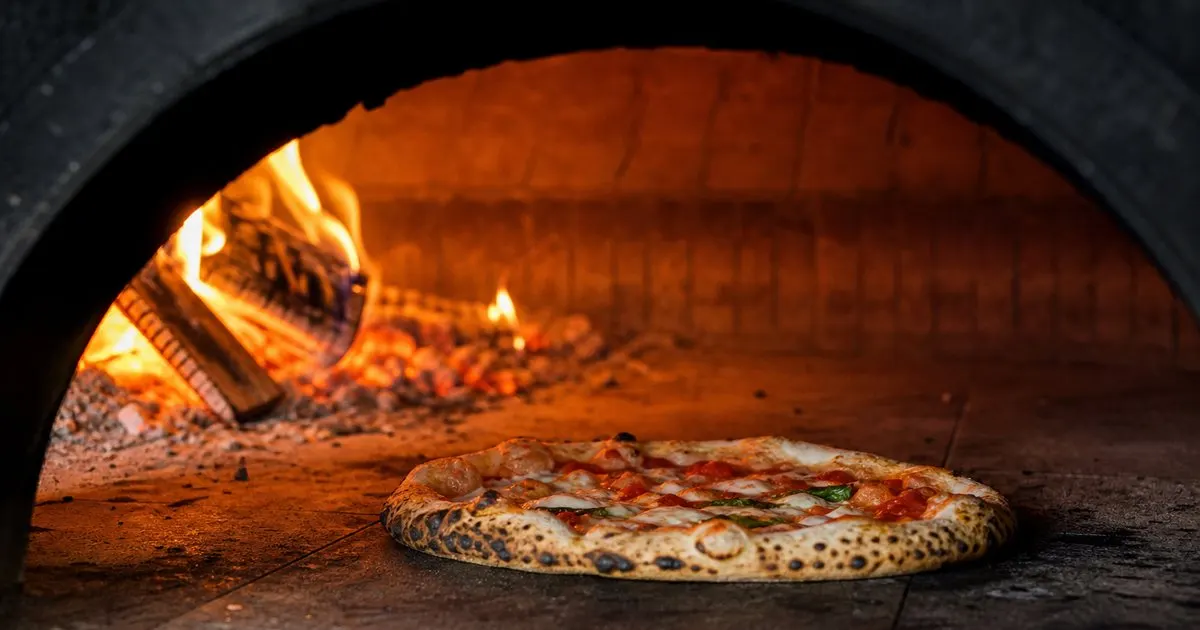
How hot does a wood fired pizza oven need to get for Neapolitan?

Which is better for backyard entertaining, wood fired or gas pizza ovens?
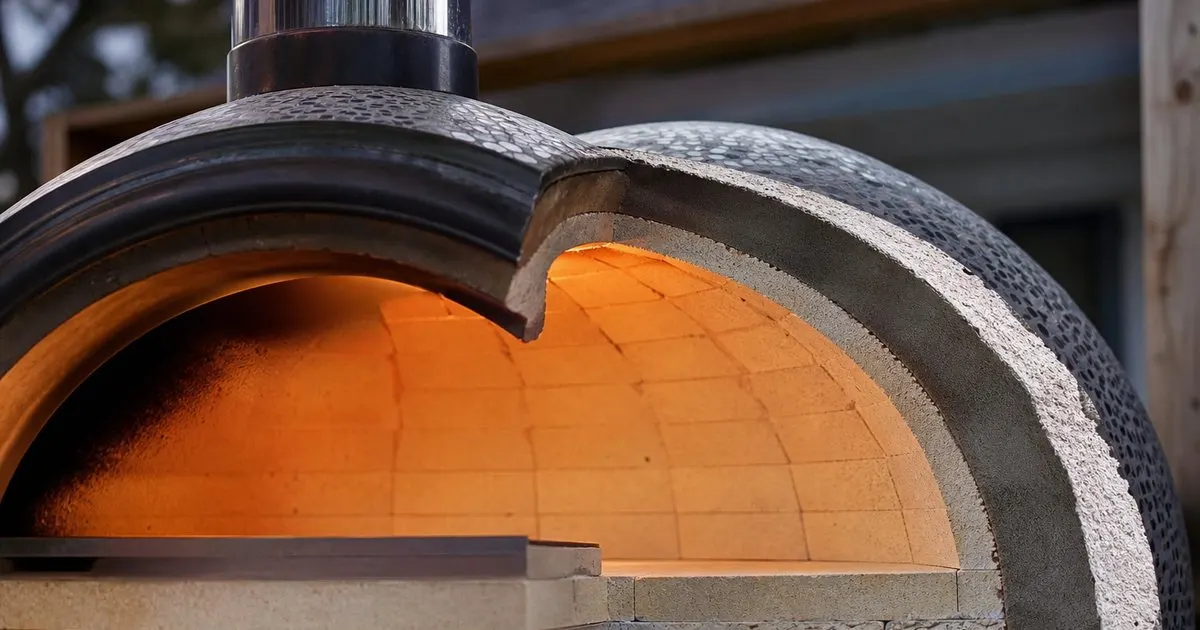
What refractory materials keep a built in pizza oven radiating even heat?
Get the complete wood-fired and built-in pizza ovens guide
Our full buying guide, the price guide, and new research as we publish it. One email, no spam, unsubscribe any time.